1. How much does a nature pool cost?
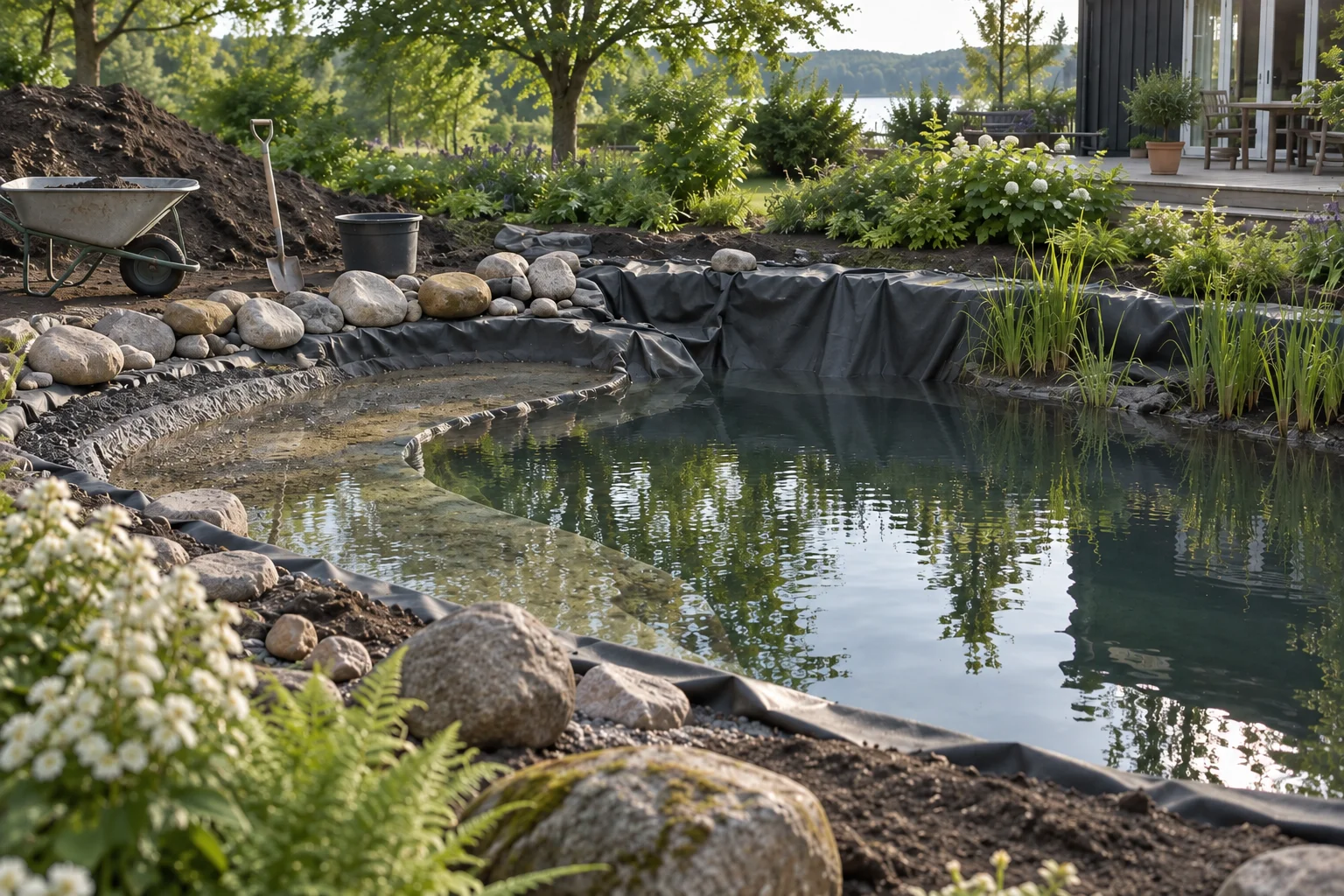
The cost of building a nature pool depends mainly on its size, ground conditions, filtration and the work around it. A small natural pool for cooling off is a different project from a larger swimming area with waterfalls and terraces. Our nature pool packages and current starting prices help you compare sizes and what is included.
When comparing natural pool prices, check whether excavation, soil removal, electricity, water filling and garden finishing are included. Rock and difficult access can make a substantial difference. Separate the construction budget from nature pool running costs: circulation, optional heating and regular care need their own allowance.
2. What are the disadvantages of a nature pool?
A nature pool needs space for filtration and regular care. Leaves need removing, and excess nutrients or poor circulation can lead to algae or cloudy water. Plants and small creatures are also part of the setting. Many common nature pool problems can be prevented through careful design and a suitable care routine.
A conventional chlorine pool also needs cleaning and filtration, alongside checks and adjustments to chlorine and pH levels. A nature pool removes the need for routine chlorine dosing and gives you a swimming space that forms part of the garden. Total maintenance depends on the design and equipment in either case, but swimming without chlorine treatment is a clear benefit if that is what you value.
3. Can you build a nature pool yourself?
Yes, you can build a nature pool yourself, but the project involves more than excavating a hole and adding a liner. Structure, waterproofing, water flow and biological filtration must work together. You also need to plan safety, excavated soil disposal and access for future maintenance.
A natural pool drawing needs adapting to the site's levels, soil and groundwater. Bringing in an experienced professional for design and critical construction stages can reduce the risk of leaks, inadequate filtration and costly rework, while leaving room for work you want to do yourself. Our guide to building your own nature pool helps you decide which parts to take on.
4. How much maintenance does a nature pool need?
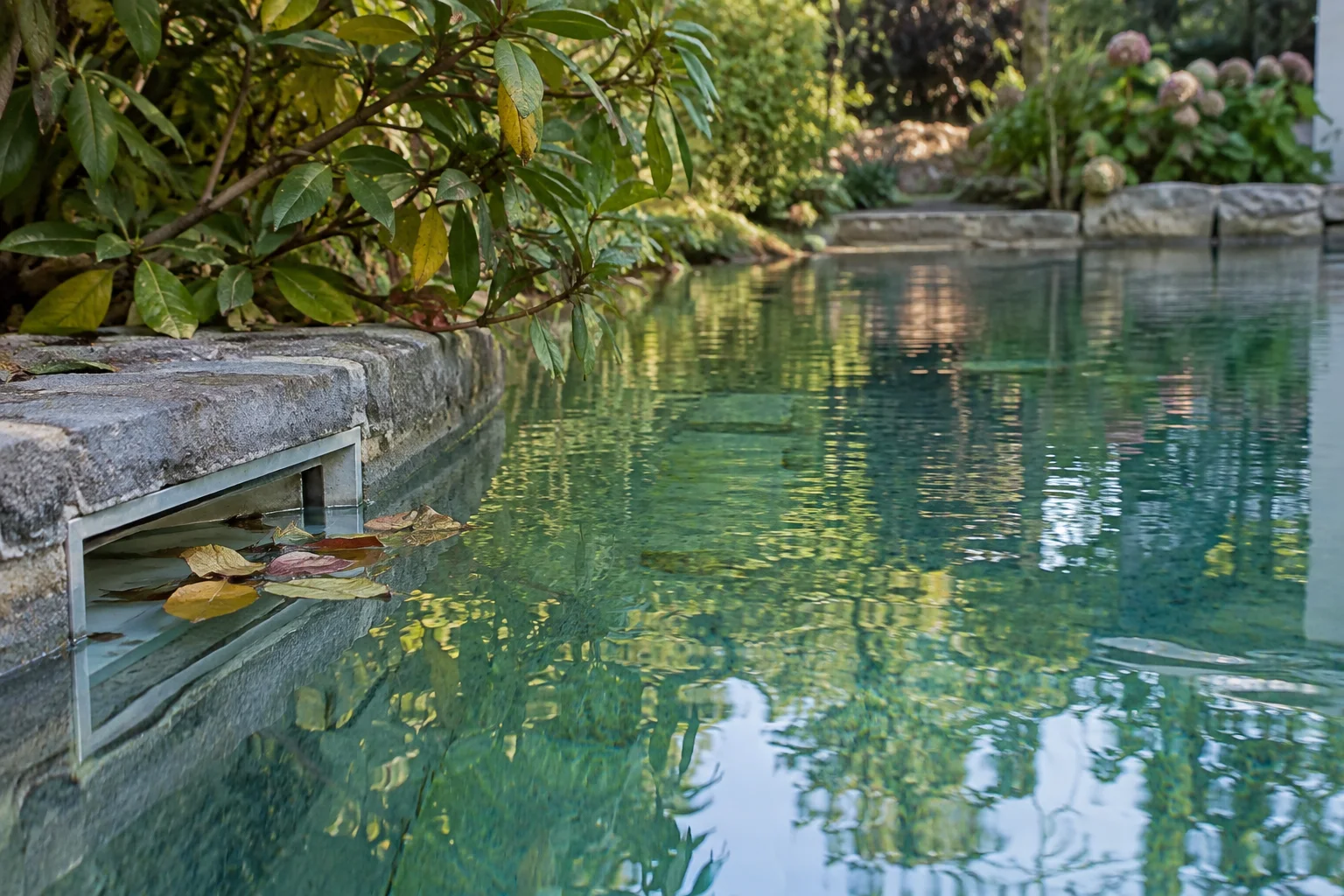
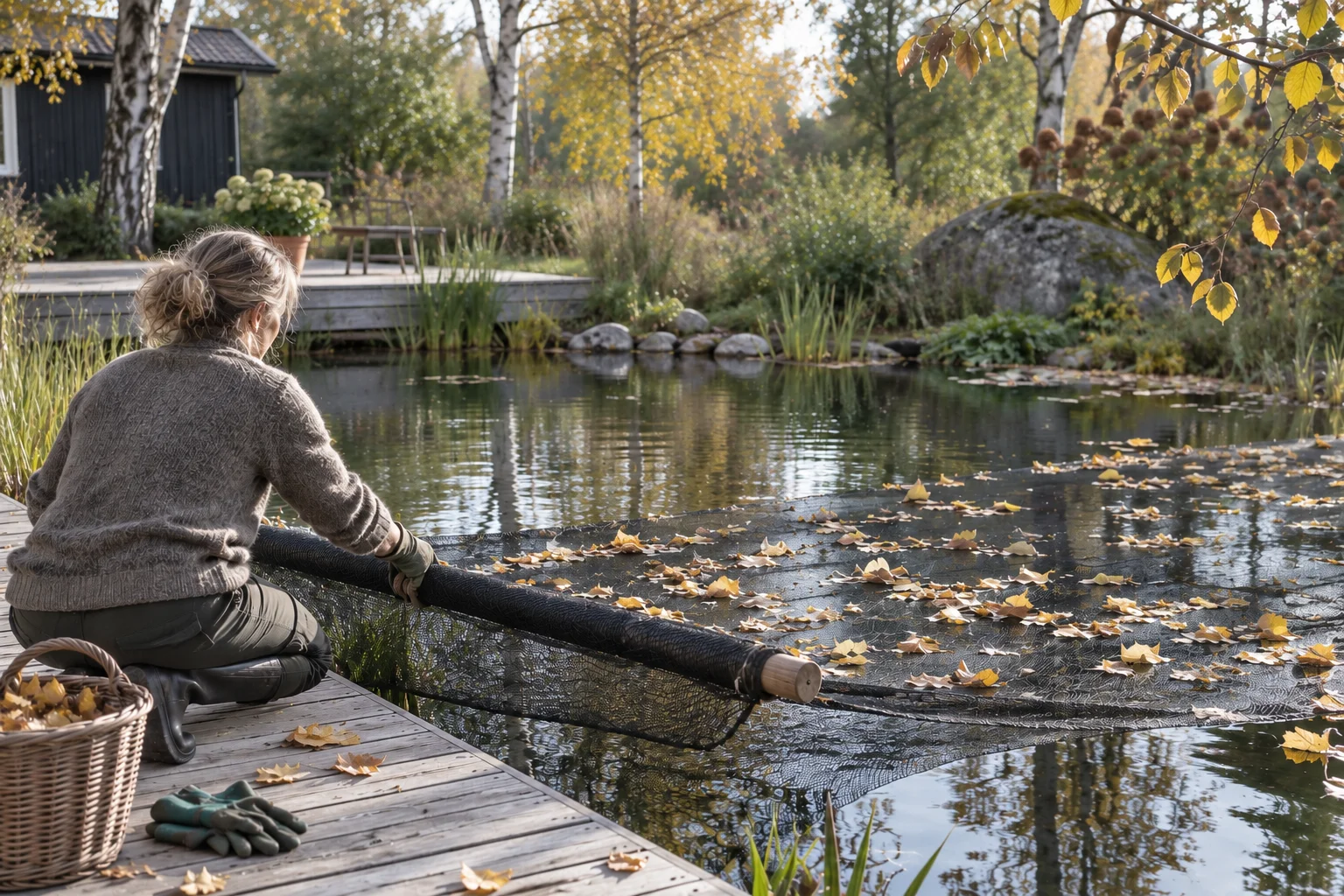
Routine nature pool maintenance mainly involves collecting leaves, emptying debris collectors and checking water level and circulation. Plants, bottom sediment and equipment also need attention according to the care plan. The workload depends partly on pool size, nearby trees and how heavily the pool is used.
Natural pool care changes through the year, with more leaves in autumn and separate tasks for spring startup and winter preparation. Our guide to nature pool care through the seasons gives an overview. A well-planned system, accessible equipment and a clear care plan help make those tasks a manageable routine.
5. What is a nature pool and how does filtration work?
A nature pool is a constructed swimming space with biological water treatment rather than routine chlorine dosing. Filtration usually combines mechanical debris collection with biological filters, where microorganisms contribute to water treatment. Plants can be part of the system, but its overall sizing and water flow determine how it works.
Nature pool, swimming pond and biological pool describe related designs, although appearance and filtration technology can differ. A chlorine-free pool still needs checks and care; clear water alone does not establish good bathing-water quality. Learn more about how natural pool filtration works.
6. Can you heat a nature pool?
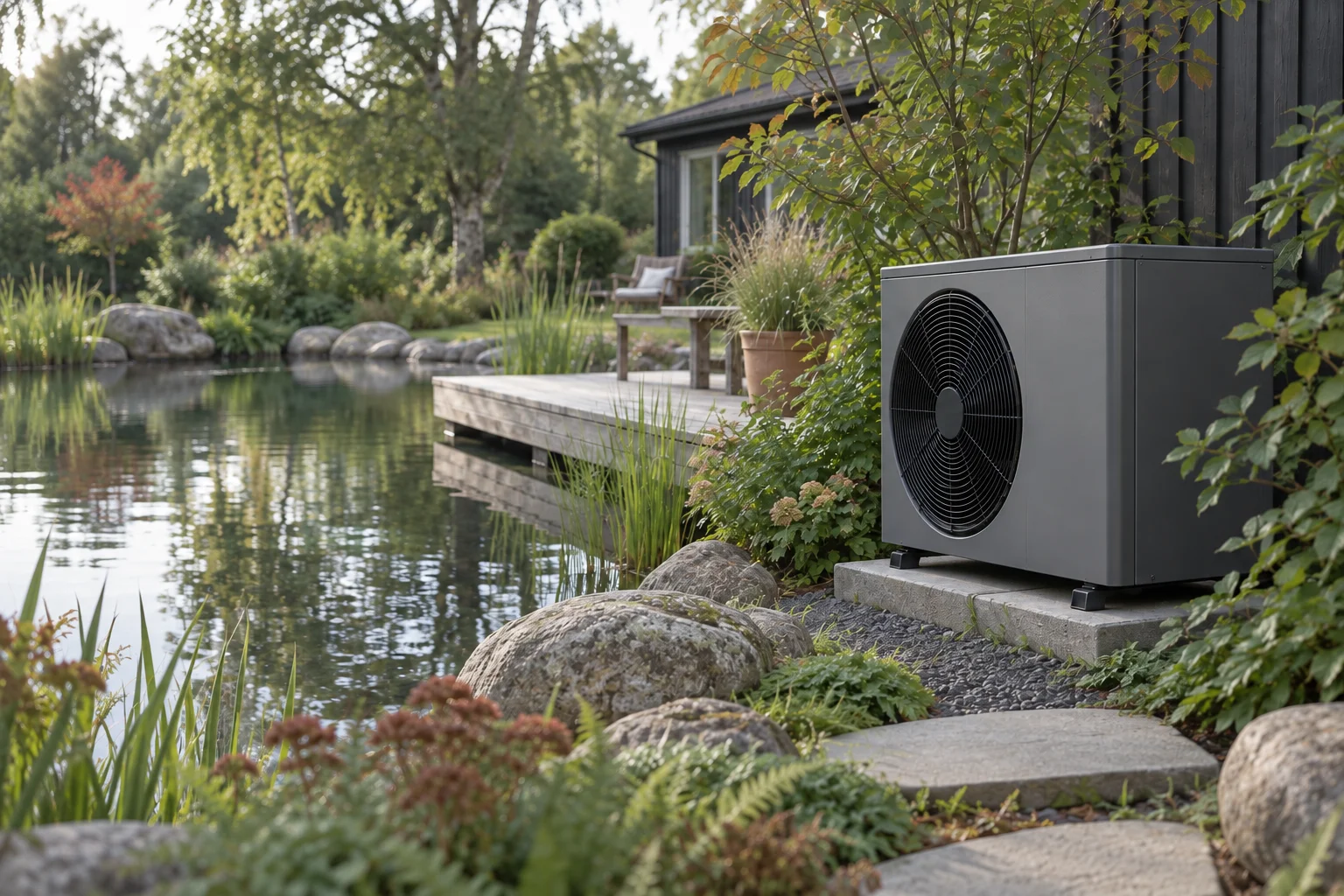
Yes, a nature pool can be heated when its filtration and equipment are designed for it. Your preferred swimming temperature and season therefore belong in the initial plan. A heat pump may be an option, but its size needs to suit the water volume, heat losses and temperatures you want.
Natural pool heating costs depend on weather, wind, cover use and how long the heating runs. Slightly warmer summer water is a different task from extending the season through cold spring nights. Our guide to heating a nature pool explains the options and what to include in your estimate.
7. How much space does a small nature pool need?
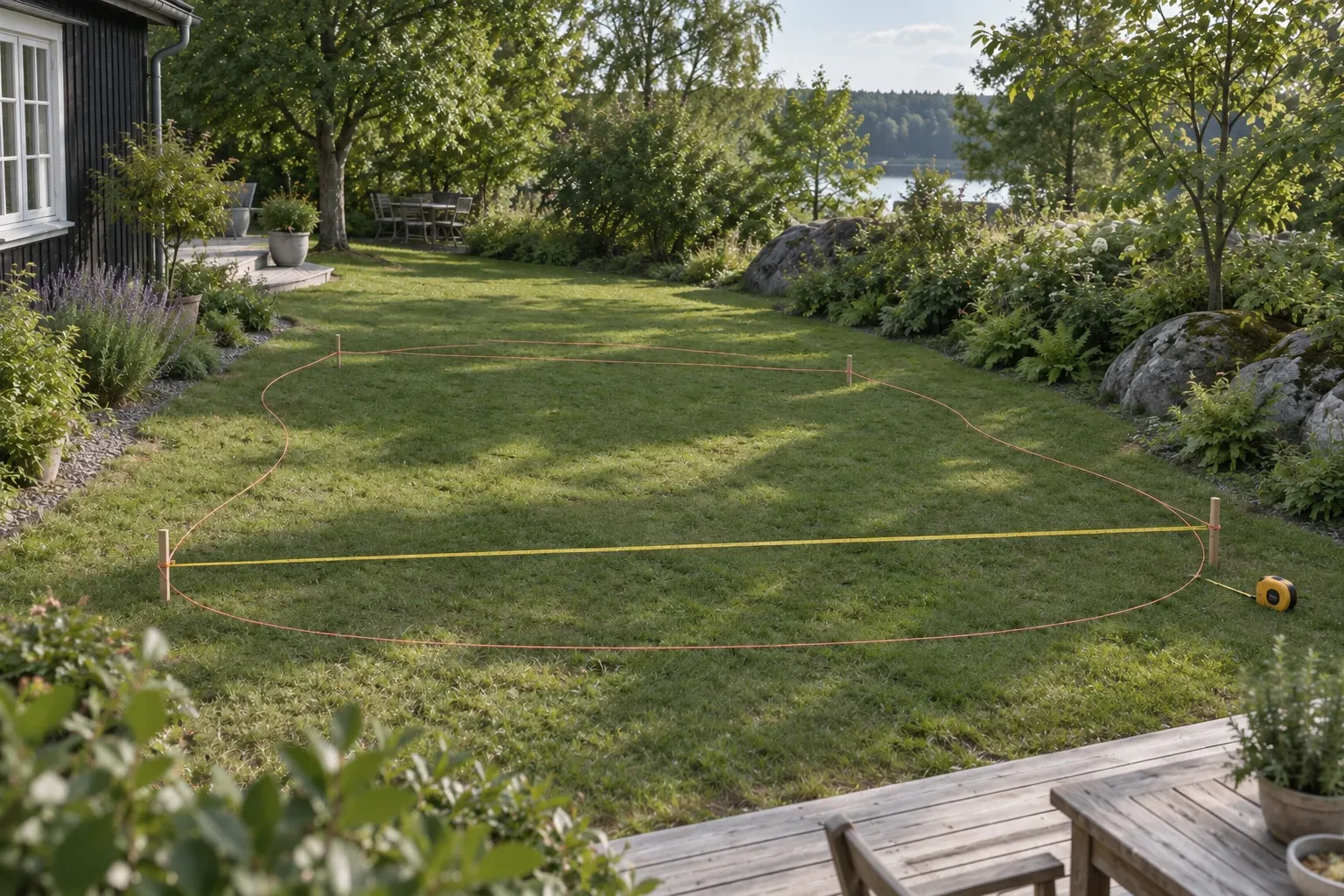
A small nature pool can be designed for dipping and cooling off, but the bathing area is only part of the space required. Filtration, edges, water access and equipment access also need room. A useful natural pool plan therefore shows the whole installation, not just the water dimensions.
Start with how you want to use it: cooling off after a sauna, bathing together or swimming longer lengths. There is no single minimum garden size for every system, but a smaller garden need not rule out a pool for dipping. Our guide to how much space a nature pool needs explains what to allow for. Careful planning can make room for both a swim and the rest of garden life.
8. Do you need planning permission for a nature pool?
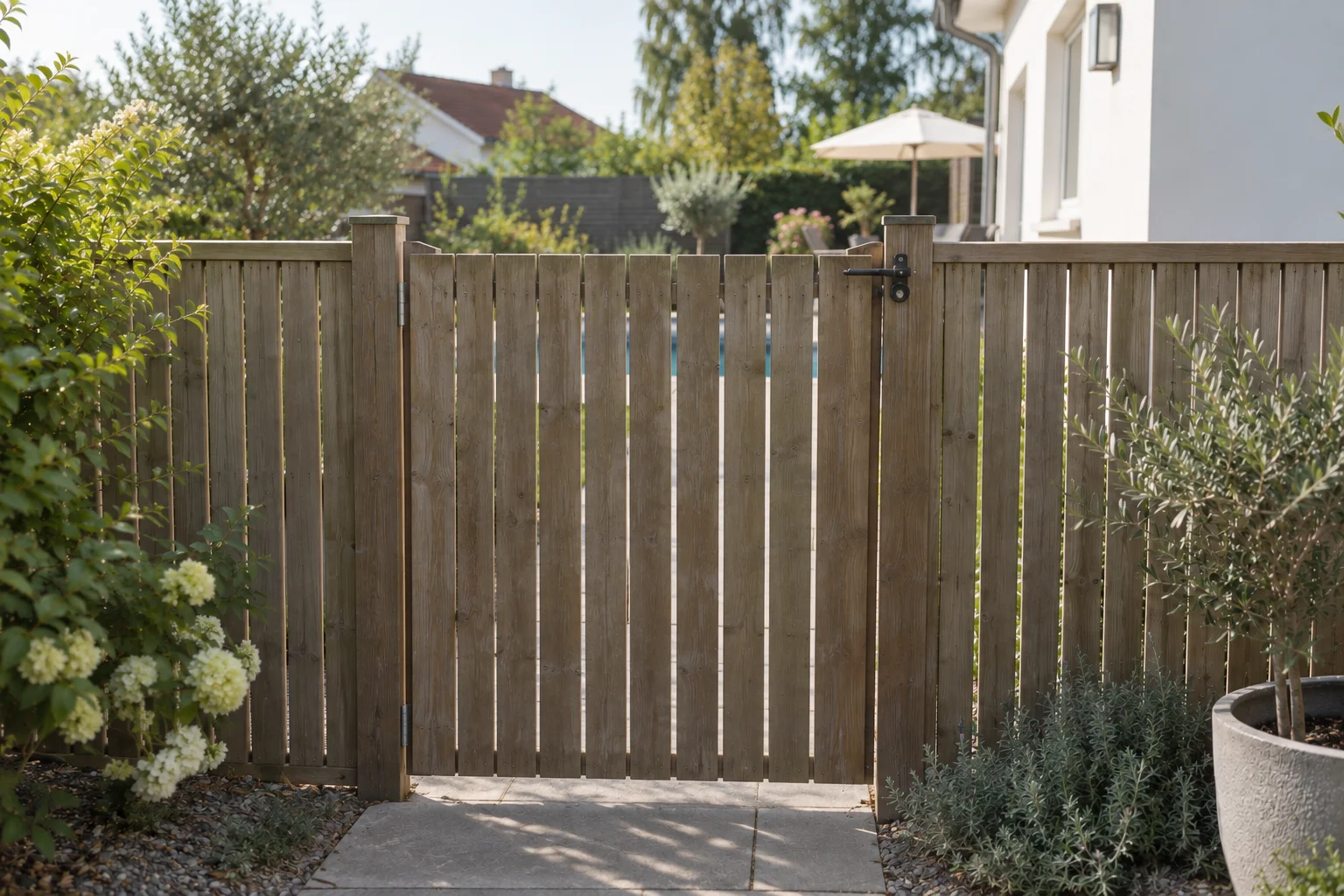
In Sweden, the pool itself usually does not require building permission, but ground changes and surrounding structures may need permission or notification. Malmö City's pool guidance covers examples including decks, pool houses and water and drainage connections. Check the conditions for your own property.
Ask your municipality about building permission, ground works and any shoreline protection before excavating. Accident prevention still needs planning when building permission is not required. Our guide to nature pool safety and permissions in Sweden helps you prepare the questions. For a project in Denmark, check Danish requirements with the local municipality.
9. Do nature pools attract mosquitoes?
A nature pool does not automatically mean more mosquitoes, but no pool can guarantee a mosquito-free garden. Mosquito larvae develop in water, and standing water can provide suitable habitats. The question concerns both the pool's design and other collections of water nearby.
Keep circulation working and ask the installer to assess stagnant areas if problems arise. Check buckets, plant saucers and other containers that collect rainwater too; emptying them forms part of the CDC's advice on controlling mosquitoes around the home. Do not add pesticides to swimming water without first checking their suitability for bathing and biological filtration.
10. What happens to a nature pool in winter?
A nature pool can normally retain water through winter, but its water level, pumps, filters and pipework must follow the installation's winter plan. Some components may keep running, while others need draining, indoor storage or frost protection. Do not empty the whole pool on your own initiative.
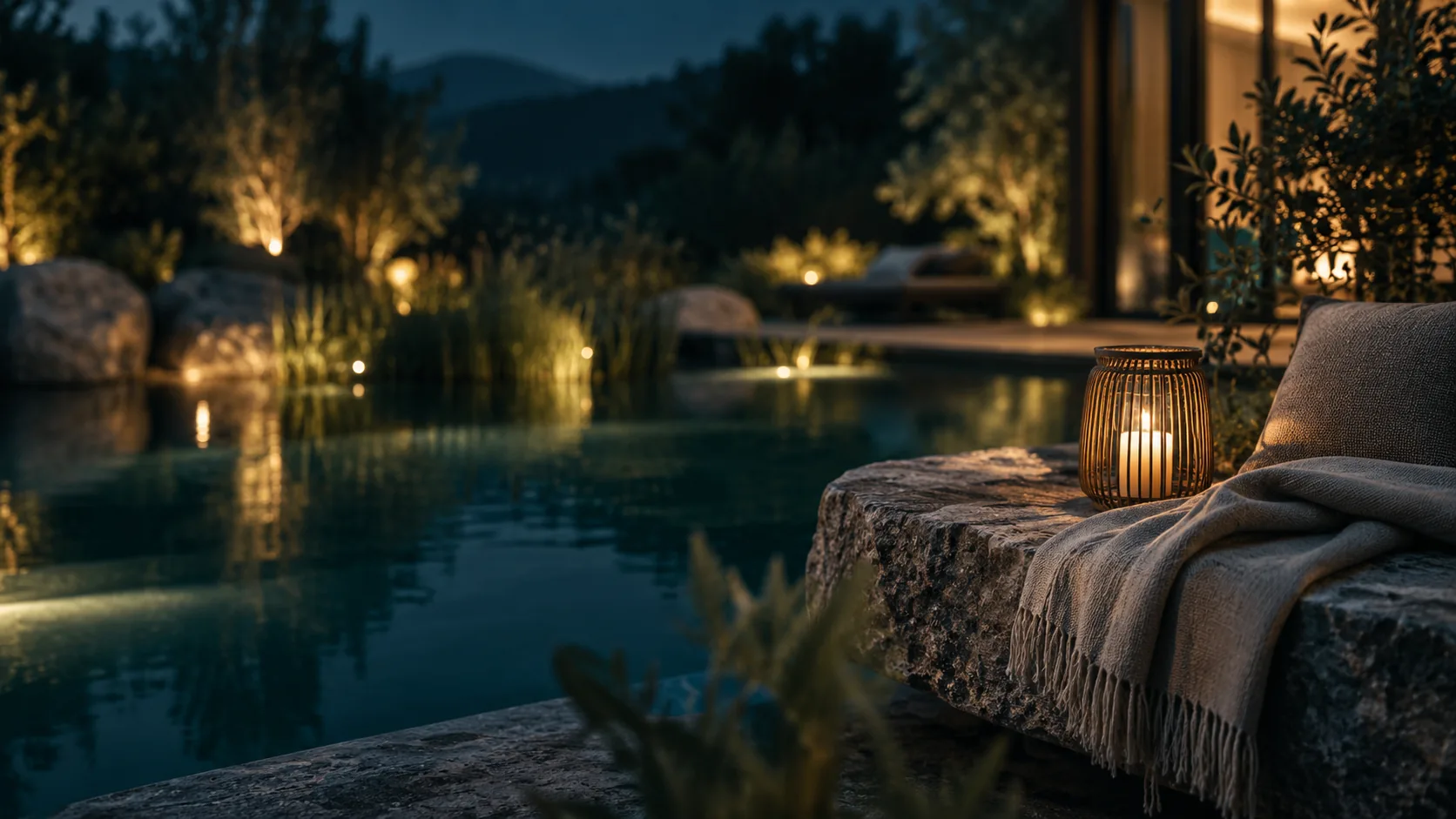
Prepare before frost arrives and keep the protection around the water effective after the swimming season ends. Winter swimming needs separate planning. Our seasonal nature pool care guide covers winter preparation and spring startup. Even when you are not swimming, the pool's decorative stone boulders and surrounding planting remain part of the garden to enjoy through the changing seasons.