How does a nature pool work?
A nature pool works by mimicking natural processes to keep the water clean and clear. Instead of chlorine and chemical filters, biological filters and special plants are used that are effective in breaking down organic material and purifying the water.
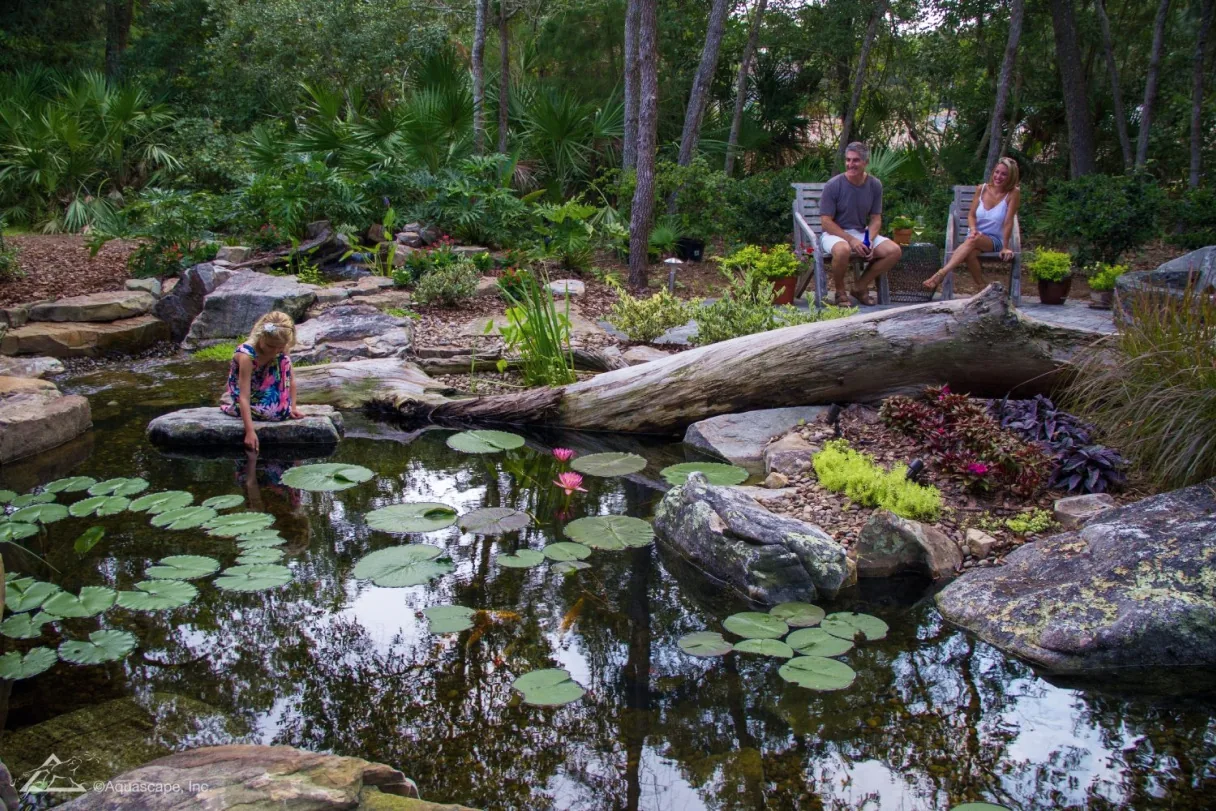
A nature pool consists of two main parts: a swimming zone and a regeneration zone. The swimming zone is where you bathe, while the regeneration zone is where the purification process occurs. Water circulates between these zones using a pump. The regeneration zone is filled with gravel, sand, and aquatic plants such as reeds, irises, and water lilies. These plants act as a natural filter that breaks down dirt and improves water quality. A well-functioning nature pool requires that the regeneration zone is large enough and properly designed to handle the amount of water and organic material introduced.
Benefits of a nature pool
There are many benefits to having a nature pool. Firstly, it is completely chemical-free, making the water much gentler on the skin and overall health. This is especially important for children or individuals with sensitive skin who often have issues with chlorine in traditional pools. Nature pools are also environmentally friendly as they do not require chemical additives or frequent water changes.
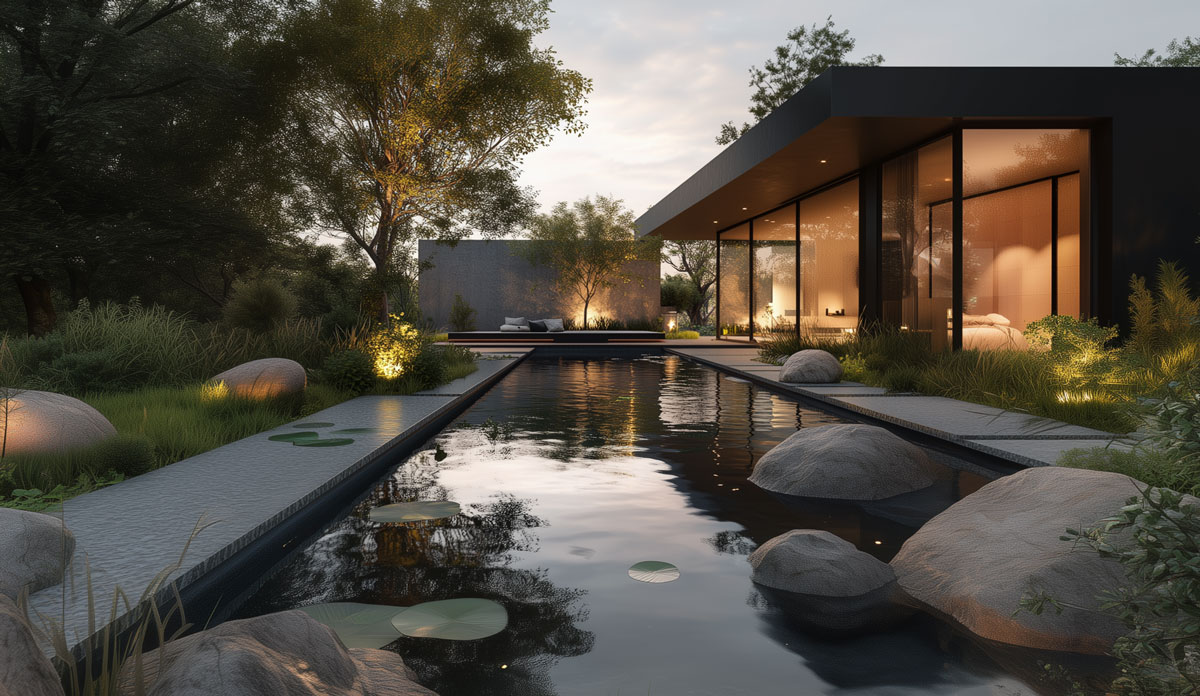
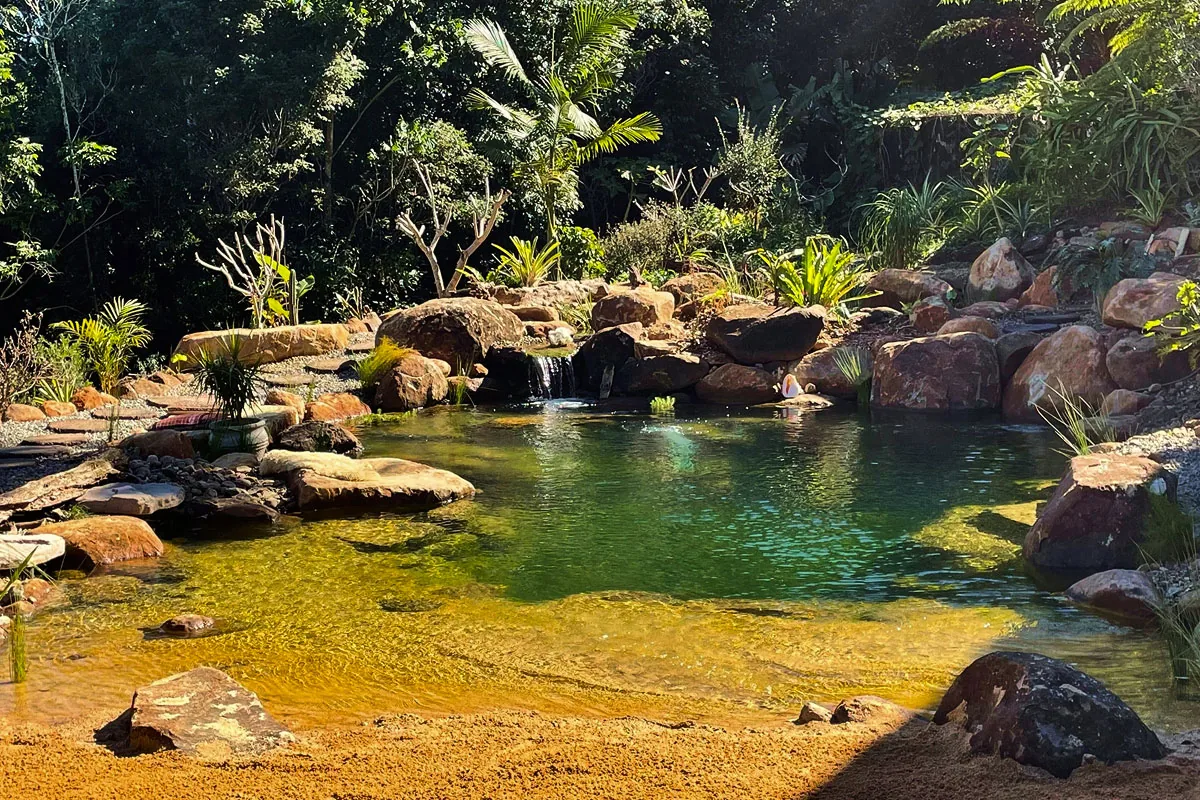
Visually, nature pools are something entirely different from regular pools. They can be designed to resemble a natural pond and blend into the landscape in a way that traditional pools never can. Additionally, you can plant beautiful aquatic plants in the regeneration zone, creating an oasis of greenery. Operating costs are also low since the system is self-cleaning once properly installed. The combination of aesthetics, sustainability, and low operating costs makes a nature pool an attractive choice for many.
How to build a nature pool yourself
Building a nature pool yourself requires careful planning and understanding of how the system works. The first step is to choose a suitable location for the pool. A sunny spot is ideal as the sun promotes plant growth and improves the efficiency of the regeneration zone. Next, it's time to plan the design of the pool, including size and shape. The swimming zone and regeneration zone should be well-balanced, and the regeneration zone should be roughly the same size as the swimming zone to ensure optimal purification.
Once the design is complete, excavation work begins. Dig both the swimming zone and the regeneration zone to the correct depth, ensuring the ground is stable. Avoid areas with roots or stones that could cause problems. After excavation is complete, a waterproof membrane is installed to protect the pool from leaks.
The next step is to install biological filters and water pumps that keep the water circulating between the zones. It is important to choose the right equipment to ensure the system functions properly. After installation, it's time to plant the plants in the regeneration zone. Choose plants known for their purifying properties, such as reeds and irises. Plant them in the right quantity and placement to optimize purification. Finally, fill the pool with water and start the system. Keep in mind that it may take a few weeks for the plants to establish themselves and for the system to function fully.
Common mistakes when building a nature pool
Building a nature pool yourself is a comprehensive project, and it's easy to make mistakes if you lack experience. One of the most common mistakes is making the regeneration zone too small in relation to the swimming zone. If the zone does not have enough plants or gravel, it cannot purify the water properly, leading to cloudiness and imbalance in the system.
Another pitfall is poor drainage around the pool. If the ground is not properly prepared, water from the surroundings can flow into the pool, bringing soil and organic material that disrupts the system. Incorrect choice of plants is also a common cause of problems. If the plants in the regeneration zone are not suitable for the purpose, purification will not work, which may require you to redo the work. Finally, it is important that the membrane used for sealing is of high quality and installed correctly. Even small leaks can cause major problems and lead to costly repairs.
Cost to build a nature pool
Building a nature pool yourself can be cost-effective compared to hiring a professional installer, but it is important to understand the costs. Material costs for a smaller nature pool can start at around 50,000–100,000 kronor, but this depends on size, material choice, and what components you need to purchase. However, if you make mistakes that require repairs or rework, the costs can quickly exceed the budget.
Is it better to hire a professional?
While it is possible to build a nature pool yourself, it is not without risks. A single mistake, such as incorrectly sized regeneration zone or poor sealing, can lead to problems that are both time-consuming and expensive to fix. Professional installers have the experience and knowledge to eliminate these risks and create a sustainable and well-functioning nature pool from the start.
By hiring an expert, you can get help with everything from design and ground preparation to installation and choosing the right plants. The result is a pool that works just as it should and requires minimal maintenance. If you want to ensure that your nature pool becomes an investment that lasts for many years, it is a good idea to consider getting help from a professional. It can save both time, money, and worries in the long run.
At Faunapoolen, we are happy to help you realize your dream of a nature pool. We offer a free phone consultation where we go through your needs and concerns together. Whether you want to build the nature pool yourself or want us to handle the entire project, we can guide you to the right decision.
Contact us Contact us today to get started.
Related posts
Why choose an ecological pool without chlorine?
5 common problems with natural pools and chlorine-free pools
Difference between a natural pool and a regular pool – which one should you choose?
Convert chlorine pool to natural pool or swimming pond
Building a natural pool - here's how to do it yourself