Introduction
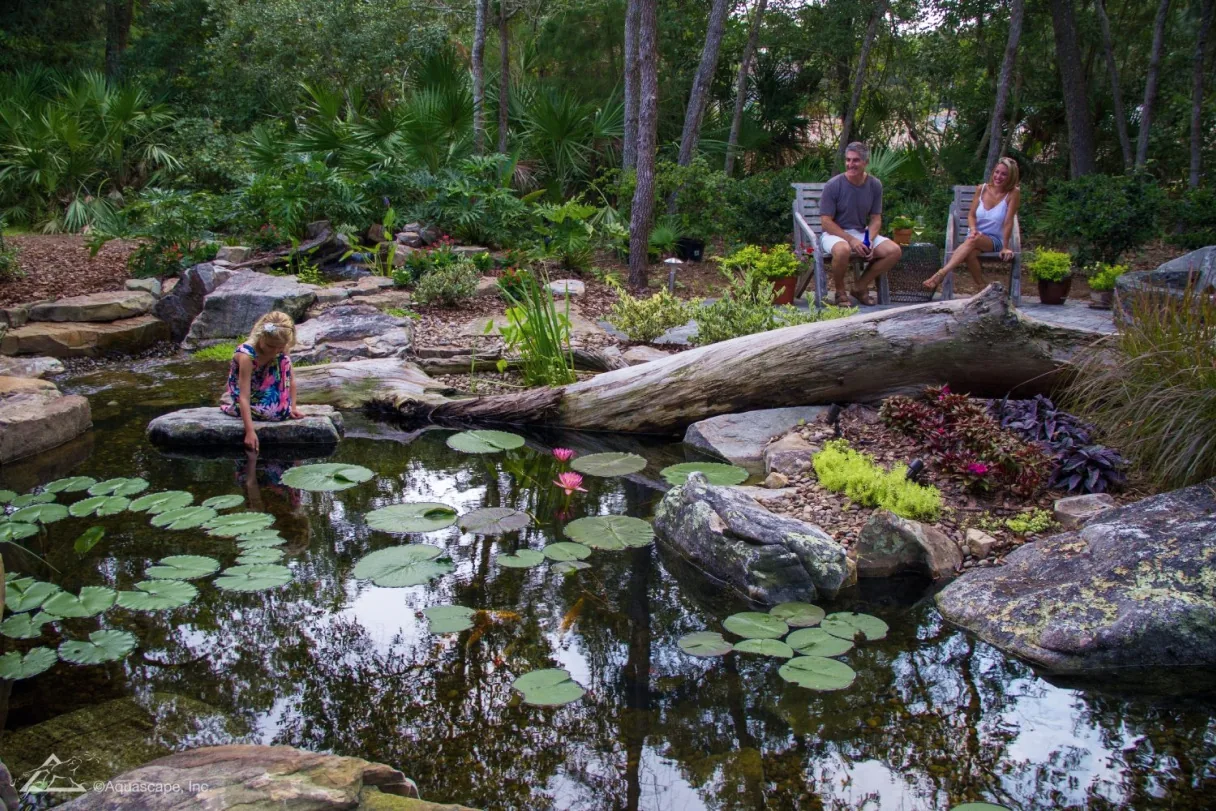
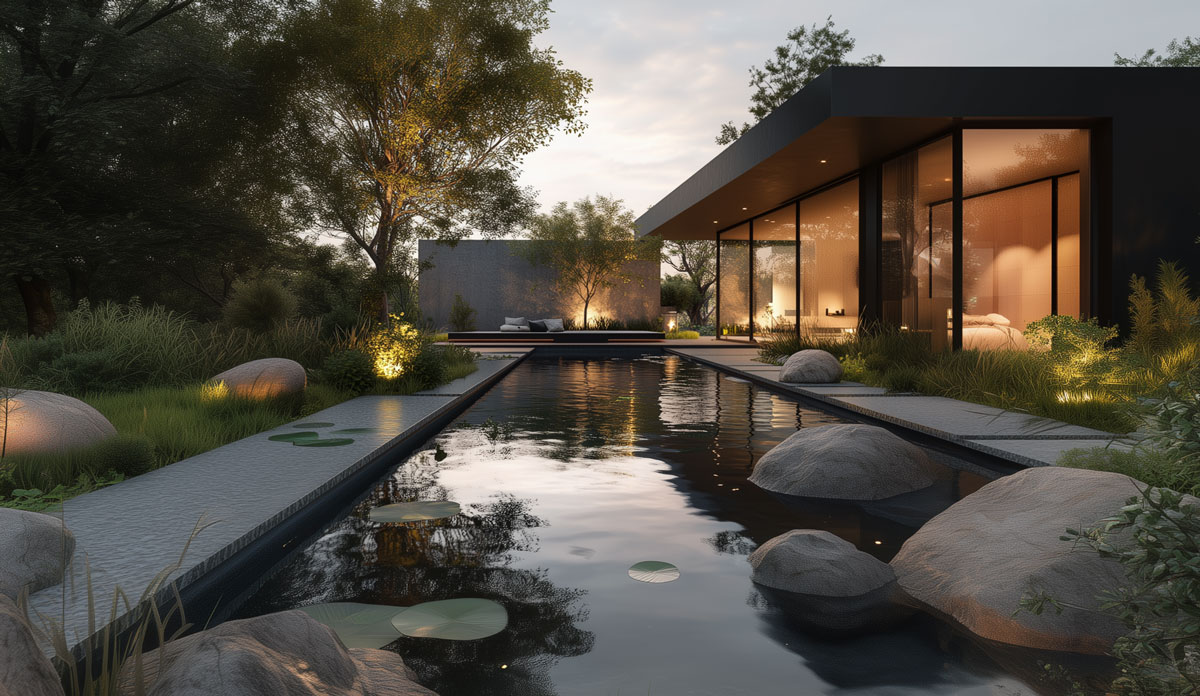
A well-designed water feature should feel like a natural extension of the surrounding landscape. Whether it's a pondless waterfall, a koi pond, or a bubbling fountain, careful planning, expert design, and a sustainable approach are required for the water to seamlessly blend into the outdoor environment.
This guide shows how water features can interact with the garden's existing elements and enhance both appearance and function. With the right placement, materials, and ecological balance, the water feature becomes the heart of the garden – attracting wildlife, improving air quality, and creating a soothing environment year-round.
Understand your garden before adding water
Before installing a water feature, it's important to assess the terrain, elevation changes, and existing vegetation in your outdoor environment. Key factors to consider include:
Topography
Sloping areas are perfect for waterfalls, while flat surfaces are better suited for still ponds or fountains.
Light conditions
Some aquatic plants require full sunlight, while others thrive in shade.
Soil type
Sandy soil drains quickly, while clay soil retains water. This affects how stable the water feature will be.
Existing plants & hard surfaces
Harmonizing water with paved paths, decks, or flower beds creates a cohesive whole.
Benefits of integrated water features
Aesthetic appeal
A water feature creates a natural focal point.
Environmental benefits
Supports biodiversity by attracting birds, frogs, and pollinators.
Microclimate regulation
Water helps cool the surroundings during warm months.
Stress reduction
The sound of flowing water promotes relaxation and mindfulness.
Choose the right water feature for your garden
1. Pondless waterfall: a natural cascade
Best suited for: Small gardens, sloping landscapes, and low-maintenance solutions.
Pondless waterfalls are ideal for those who love the sound of trickling water but want to avoid the maintenance of a traditional pond. The water circulates through a hidden underground reservoir, making it an eco-friendly and easy-to-maintain option.
2. Koi pond: a living ecosystem
Best suited for: Larger gardens, nature lovers, and vibrant outdoor environments.
A well-balanced koi pond combines aquatic plants, fish, and biological filtration. Aquascape Inc's BioFalls® filter creates a self-sustaining ecosystem with clear water.
3. Bubbling stone fountains: a smart solution for small spaces
Best suited for: Courtyards, patios, and urban gardens.
A bubbling stone or urn is a perfect solution for small areas. It provides the soothing sound of water without the need for extensive construction.
Sustainable design principles
A water feature should be integrated in an environmentally friendly way. Here are some sustainable solutions:
Recirculating water systems
Reduces water consumption by continuously reusing water.
Solar-powered pumps
Reduces energy consumption and operating costs.
Natural vegetation
Native plants around the water feature support local wildlife.
Rainwater harvesting
A sustainable way to replace water loss due to evaporation.
Customize your water feature
Material choices
Using natural stone, aged wood, or ceramics for an authentic feel.
Lighting effects
Discreet LED lighting enhances the atmosphere in the evening.
Seasonal adjustments
Winter preparations ensure sustainability in cold climates.
Summary: create your dream garden
A well-integrated water feature enhances the entire garden experience. By customizing size, placement, and materials to the existing environment, even a small installation can create a harmonious and inviting oasis.
Your next step
Do you know someone considering a water feature but has limited space? Share this post with them and help others discover how water can transform a garden.
Ready to create your own water feature? Contact us to start planning your project.
Related posts
Why choose an ecological pool without chlorine?
5 common problems with natural pools and chlorine-free pools
Difference between a natural pool and a regular pool – which one should you choose?
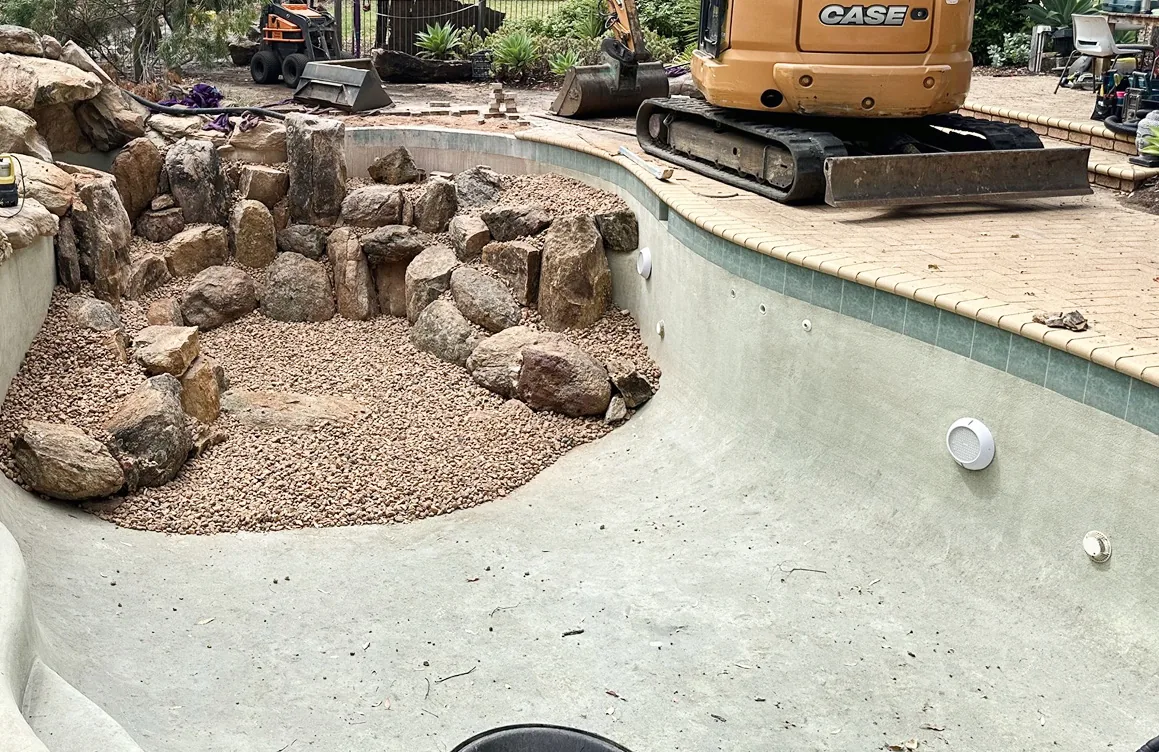
Convert chlorine pool to natural pool or swimming pond
Building a natural pool - here's how to do it yourself