Difference between a natural pool and a regular pool – which one should you choose?

Having a pool at home is a dream for many. It transforms the garden into a place for relaxation, fun, and refreshing dips on hot summer days. But when choosing a pool, there is an important question to ask: should you build a natural pool or a traditional pool? Both options have their advantages, but if you want a sustainable pool without chemicals, an ecological pool may be the best choice. Here we go through the differences so you can find the right solution for your home!

What is a natural pool?

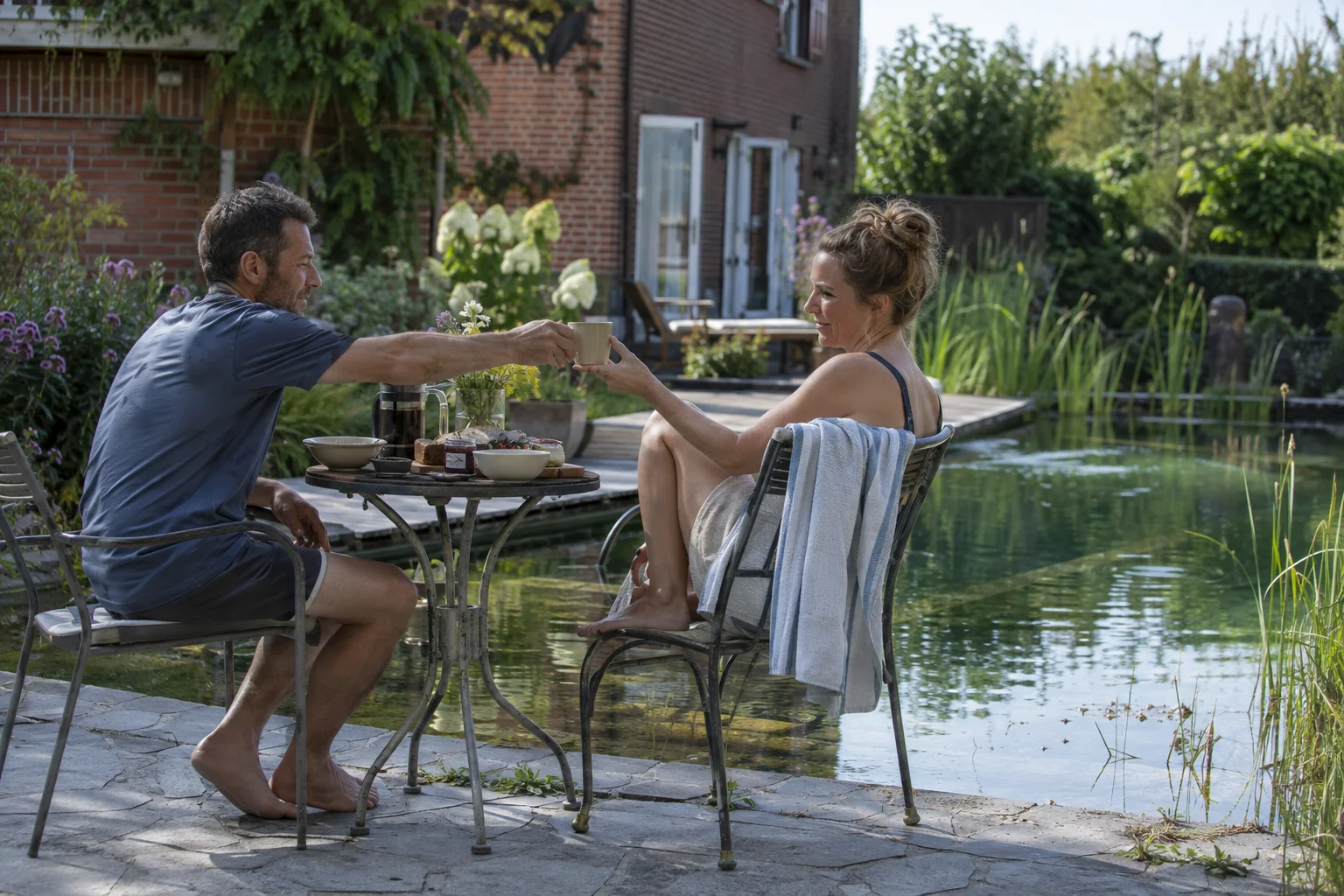
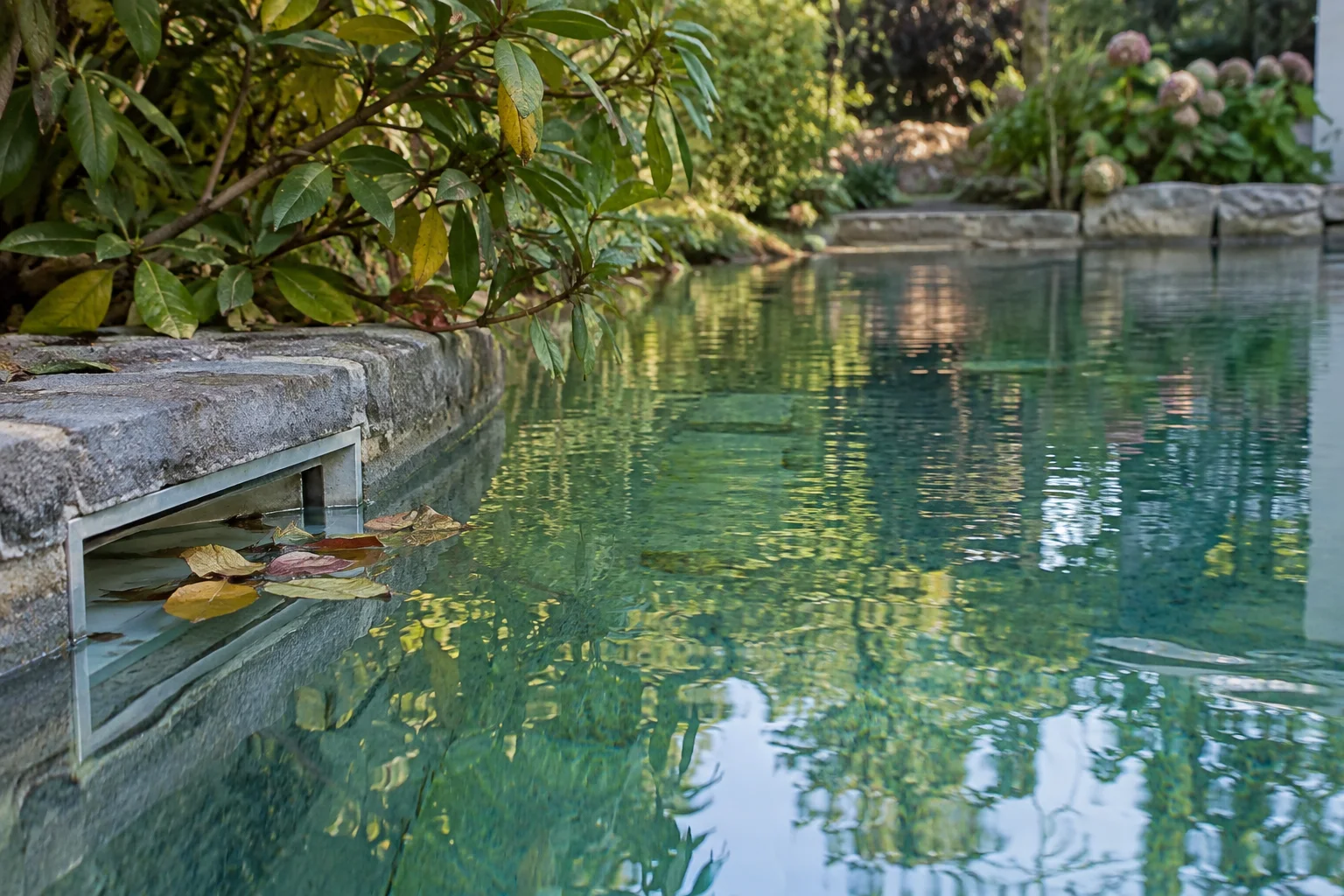
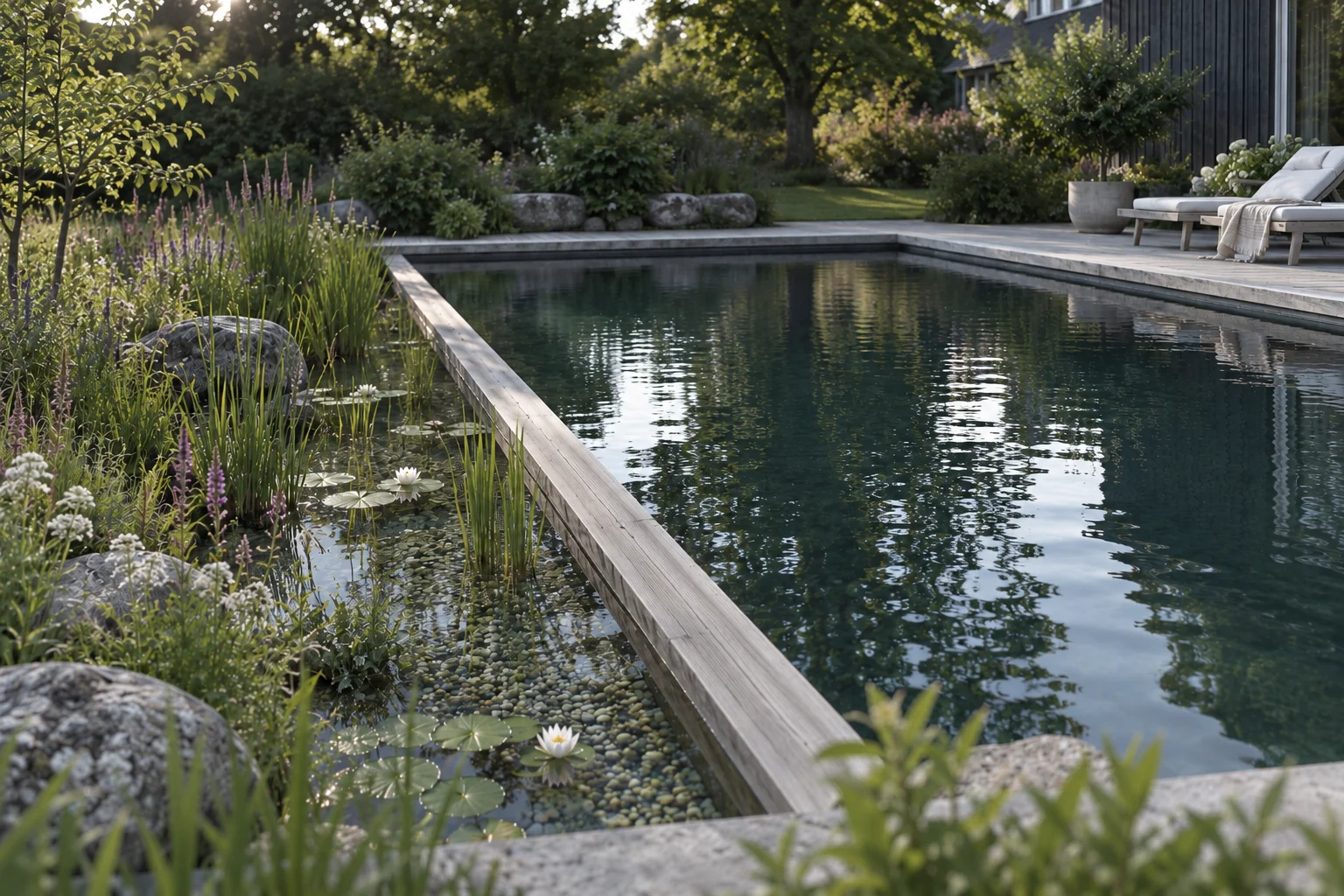
A natural pool, also called a biological pool or ecological pool, uses biological filtration and circulation instead of routine chlorine treatment. Stone, water and planting can form part of the garden design, while the filtration system is planned around the swimming area and how the pool will be used.

Advantages of a natural pool

  • Swimming without routine chlorine dosing.
  • A garden setting where water, stone and planting work together.
  • Biological filtration supported by microorganisms and, depending on the system, aquatic plants.
  • Flexible design, from a defined swimming area to a pond-like water garden.

Disadvantages of a natural pool to consider

  • Space beyond the swimming area: filtration, edges and access for maintenance need room. The total footprint depends on the system and design.
  • Regular care: leaves and debris need removing, circulation needs checking, and plants and equipment need seasonal attention. Biological filtration does not make a pool maintenance-free.
  • Sensitivity to nutrients: accumulated leaves, runoff or poor circulation can contribute to algae and cloudy water. The design and care routine need to manage these sources.
  • A living setting: plants change with the seasons and wildlife may visit. Consider whether you enjoy that character or prefer the controlled appearance of a conventional pool.

Use our nature pool care checklist to plan the routine after installation.

How does a nature pool work?

A pump circulates water through a filtration system. Mechanical filtration collects debris, while microorganisms on filter surfaces help process organic material. Aquatic plants can take up nutrients. These elements need to be sized and maintained together for the pool they serve.

Difference between a natural pool and a regular pool

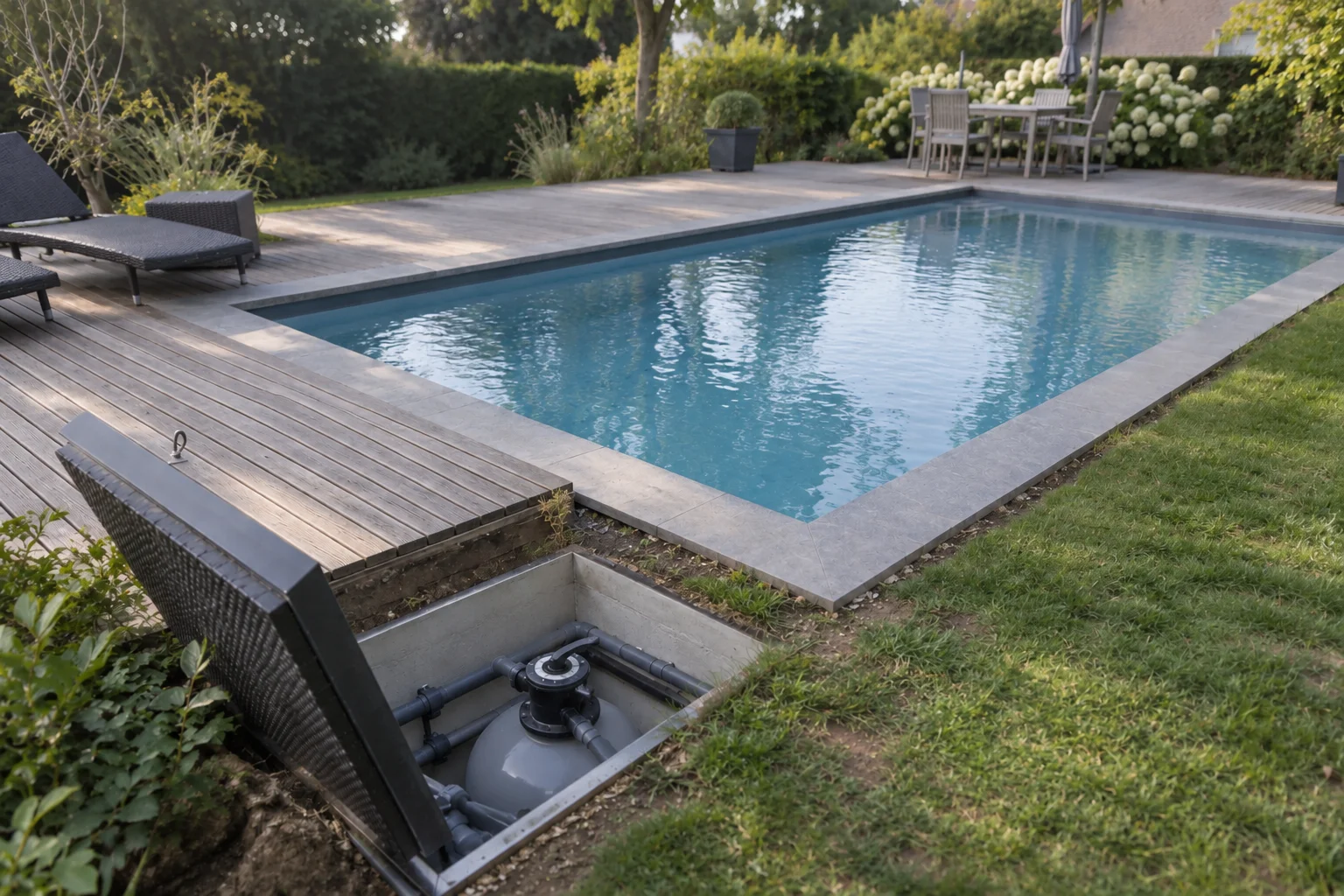
The main difference is water treatment. A conventional chlorine pool combines filtration with disinfectant dosing and water checks. A natural pool relies on biological filtration and circulation, with a care routine adapted to the living system. Both types need cleaning and maintained equipment.

Advantages of a conventional pool

  • A wide choice of established pool equipment and service options.
  • Water treatment that can be adjusted through measured disinfectant and pH levels.
  • A design that does not require a planted regeneration zone, although equipment and service access still need space.

Disadvantages of a conventional pool

  • Disinfectants need to be stored, handled and dosed according to instructions.
  • Water values need checking and adjusting, alongside cleaning and filter care.
  • Water treatment, circulation and any heating remain ongoing costs.

Cost of a natural pool – what should you consider?

Compare quotations for the same swimming area, site conditions and scope of work. Filtration, excavation, access, materials and the surrounding garden all affect the installation cost. A natural pool avoids routine chlorine purchases, but that alone does not determine which pool costs less to run.

Budget for circulation, any heating, equipment care and seasonal work in either case. Ask what you will need to do yourself and what professional servicing costs. The total depends on the installation and how you use it, rather than the pool type alone.

Our nature pool price guide explains the difference between material costs and a complete installation. See current package prices for a pool we build for you.

Building a natural pool – what should you consider?

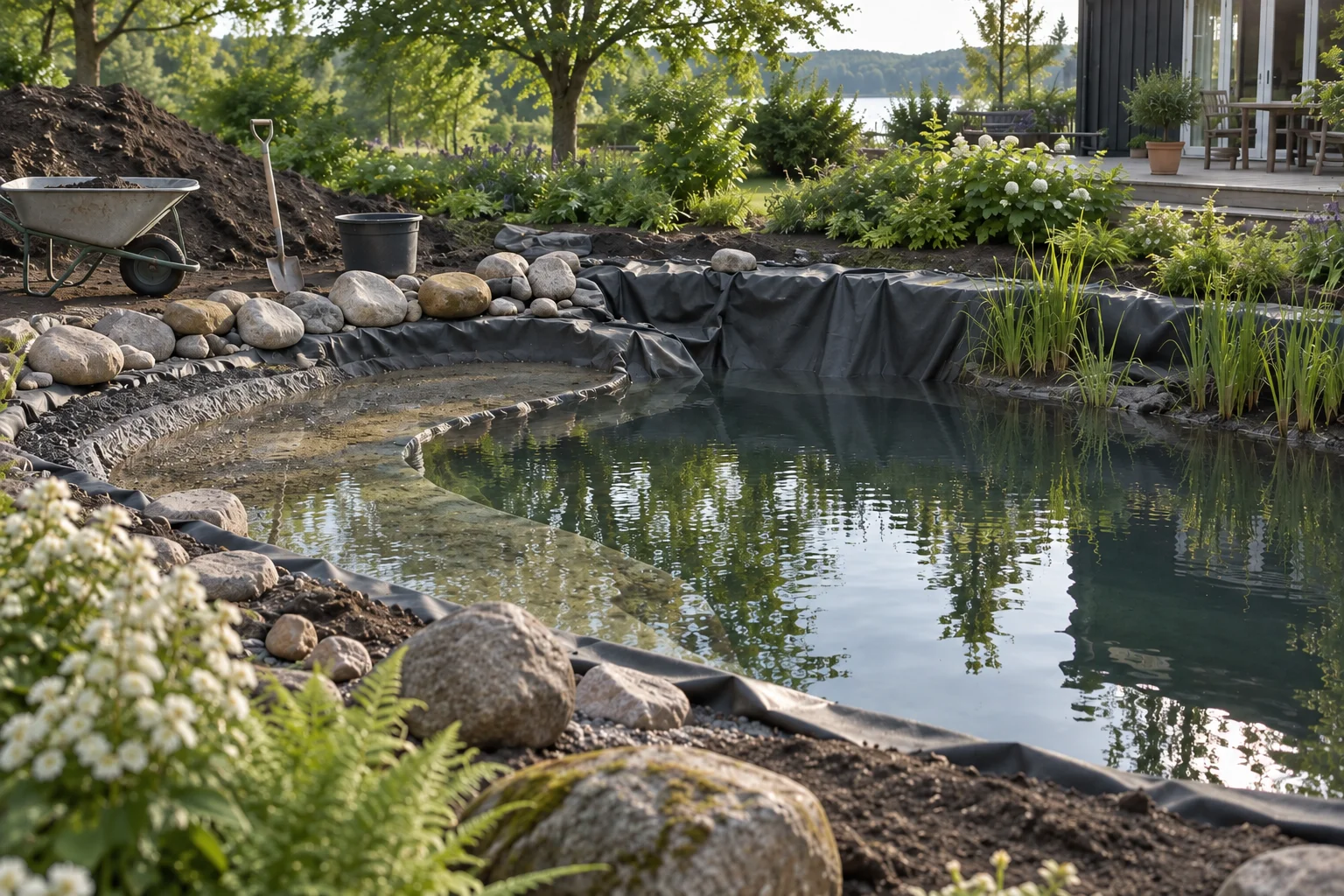
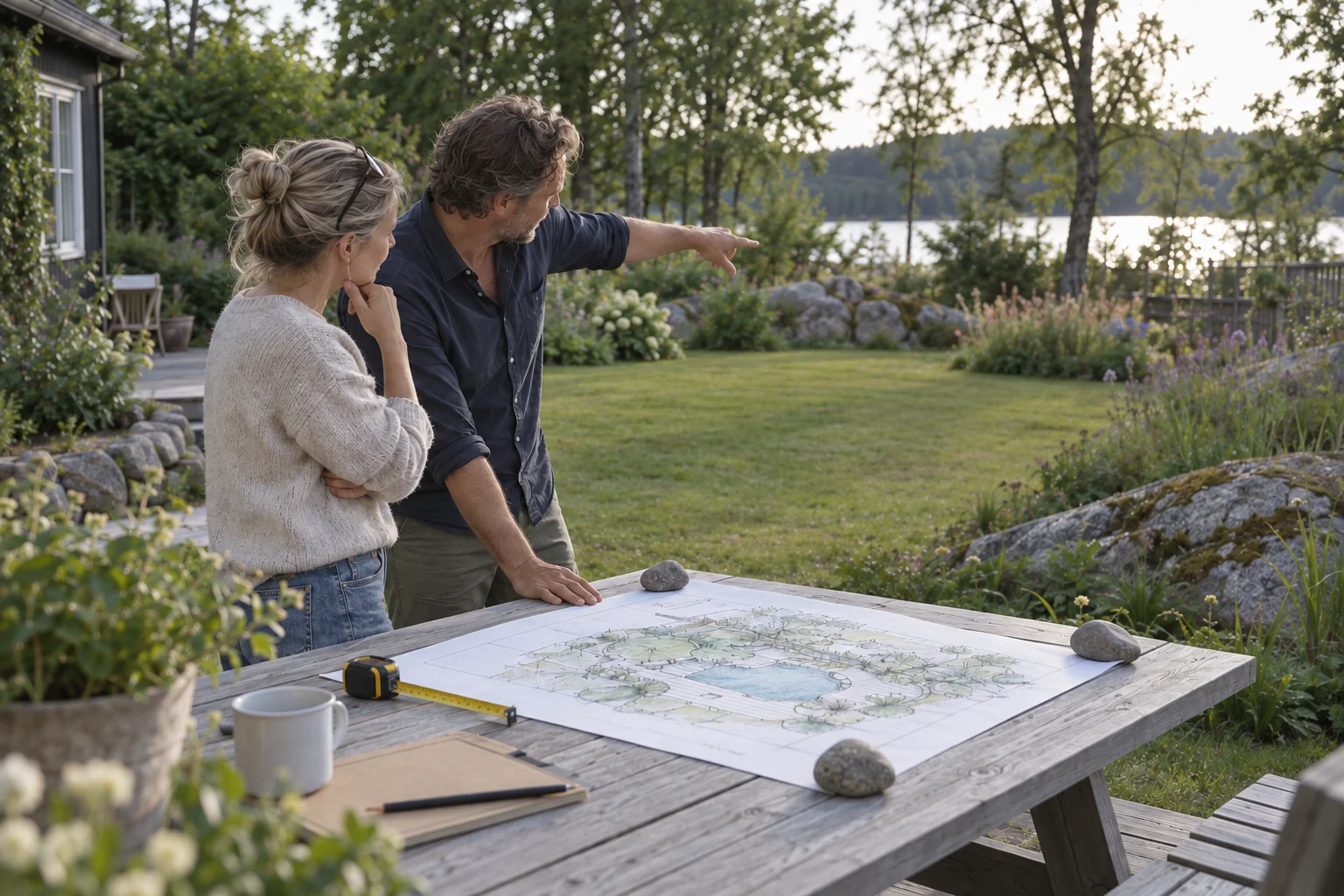
If you are considering building a natural pool, it is important to think through both design and function. Natural pools can be designed in many different ways, from modern geometric shapes to more organic and pond-like solutions. Regardless of style, it is important to ensure good water flow and choose the right plants.

Here’s how you can build a natural pool:

  • Plan size and design – Do you want a modern pool or a more natural bathing area at home?
  • Choose the right plants – These act as natural filters and help keep the water clean.
  • Build a stable structure – A well-planned natural pool lasts for many years without major renovation needs.
  • Optimize water flow – The placement of filtration zones and plants plays an important role in water quality.

Is a natural pool the right choice for you?

A natural pool can suit you if you want to swim without routine chlorine treatment and enjoy water as part of a planted garden. Choose it with a clear understanding of the space, upkeep and seasonal changes involved. A conventional pool may suit you better if you prefer its appearance and water-treatment routine.

Compare the complete installation, the care plan and the running costs before deciding. Faunapoolen can help you assess whether a natural pool fits your garden and the way you want to swim.

If you want help with the build, see how we plan and install your nature pool.

Continue reading

Life with a nature pool: swimming, garden and care

Picture daily swims and time in the garden, alongside the space, budget and care a nature pool needs.

5 nature-pool problems to prevent during planning

Spot planning mistakes involving filtration, leaves, sealing, circulation and planting before they become pool problems.

Can your existing pool become a nature pool?

Find out what can stay, what may need replacing and how to assess an existing pool for biological filtration.

Building a nature pool – how to do it yourself

Understand the construction stages, ground preparation and filtration decisions before taking on your own pool build.

Plan a nature pool and water features as part of your garden

Bring paths, seating, planting and water together so the garden works for swimming and everyday life.

From the first conversation to your natural pool

Follow the steps from a site visit and design proposal to construction, handover and your first swim.

Find out what suits your garden.

Let’s talk about your garden. Your first phone consultation is free.

Request a consultation