Natural filtration system
Nature pools use a biofiltration system that mimics processes found in nature. Instead of chemical treatments, these pools use a combination of plants, gravel, and beneficial bacteria:
Plants
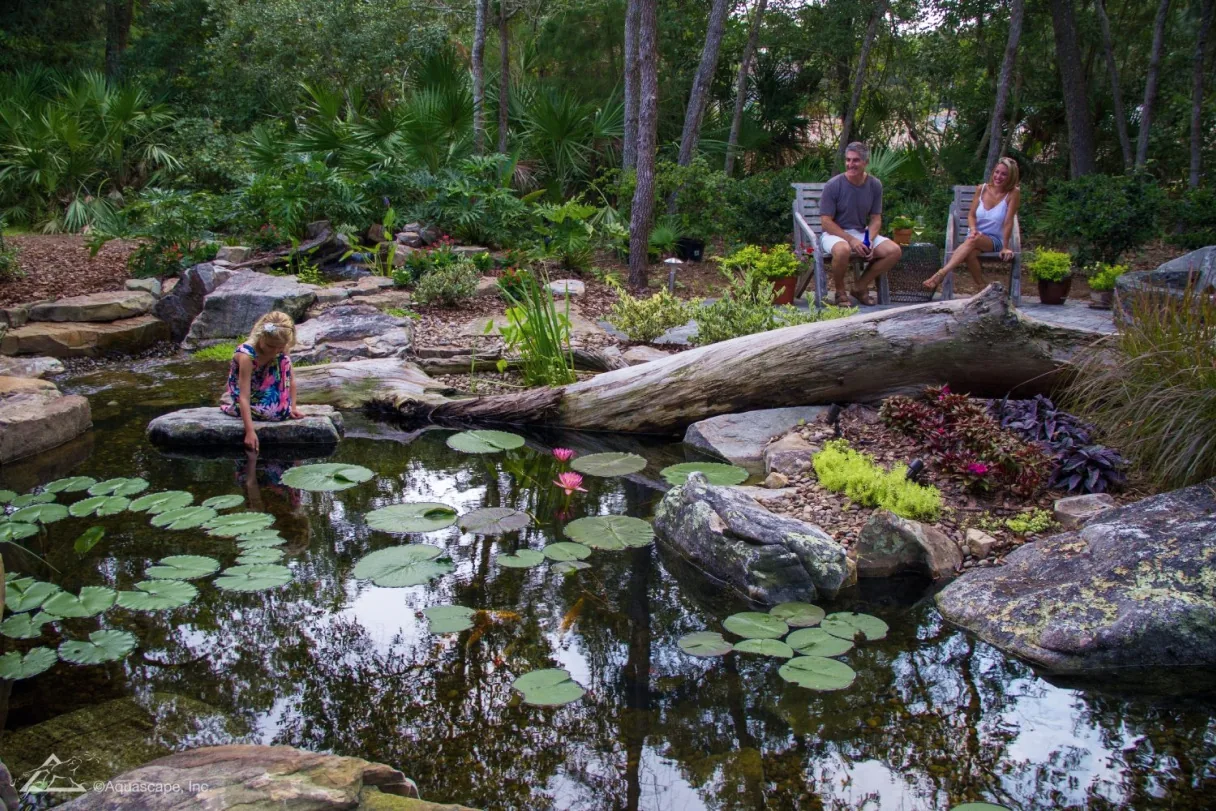
Aquatic plants, such as reeds and water lilies, absorb nutrients like nitrogen and phosphorus, preventing algae growth. The roots create an environment for beneficial bacteria that break down organic material.
Gravel and stones
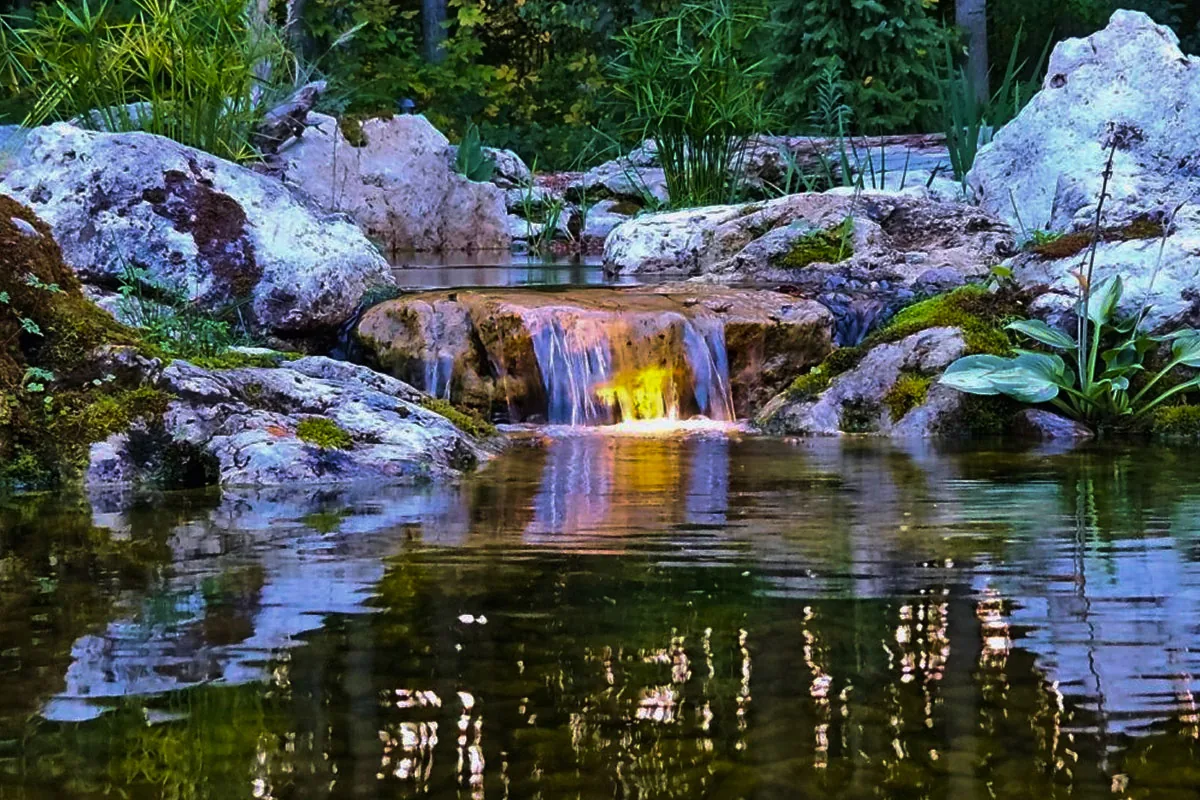
The bottom of a nature pool is often covered with gravel and stones that act as a mechanical filter to capture debris and sediment.
Beneficial bacteria
These microorganisms help break down organic material and maintain water quality.
Circulation system
Nature pools often have a circulation system that pumps water through the filtration areas to ensure that the water is continuously filtered and purified.
Why nature pools are good for the environment
Environmentally friendly
Nature pools reduce the need for harmful chemicals, protecting the surrounding environment and preventing chemical runoff into nearby waterways.
Biodiversity
They create habitats for various plants and animals, promoting biological diversity and attracting birds and other wildlife.
Water conservation
Nature pools use less water than traditional pools, thus contributing to water savings.
Improved water quality
By filtering water naturally, these pools help reduce pollution and promote cleaner waterways, benefiting both wildlife and local communities. In summary, nature pools offer a unique and beautiful way to enjoy water while making a positive impact on the environment.
Summary
Nature pools offer a unique and beautiful opportunity to enjoy water while making a positive impact on the environment. Do you want your own eco-friendly oasis in your garden? Contact us today, and we will help you design and install a nature pool that suits your style and promotes nature.
Related posts
Why choose an ecological pool without chlorine?
5 common problems with natural pools and chlorine-free pools
Difference between a natural pool and a regular pool – which one should you choose?
Convert chlorine pool to natural pool or swimming pond
Building a natural pool - here's how to do it yourself