Understanding algae: nature's double-edged sword
Algae are a natural part of all aquatic ecosystems. They contribute to oxygen production and serve as food for fish and other aquatic organisms. However, when algae grow excessively, they can cloud the water and disrupt the balance in your aquatic environment, leading to green hues and unpleasant odors. Understanding the causes of algal blooms is the first step towards better control.
Common causes of algal growth
Nutrient imbalance: Excess nutrients, often from fertilizers or decaying organic material, can drive algal growth. This imbalance is often due to runoff, neglected debris, or overfeeding fish.
Lack of vegetation: Aquatic plants absorb nutrients and compete with algae. A lack of healthy plants can lead to increased algal blooms.
Sunlight: While some sun is good, too much direct sunlight can promote algae growth. Therefore, it is important to balance sunny and shaded areas.
Proven methods for algae control
Promote healthy aquatic plants
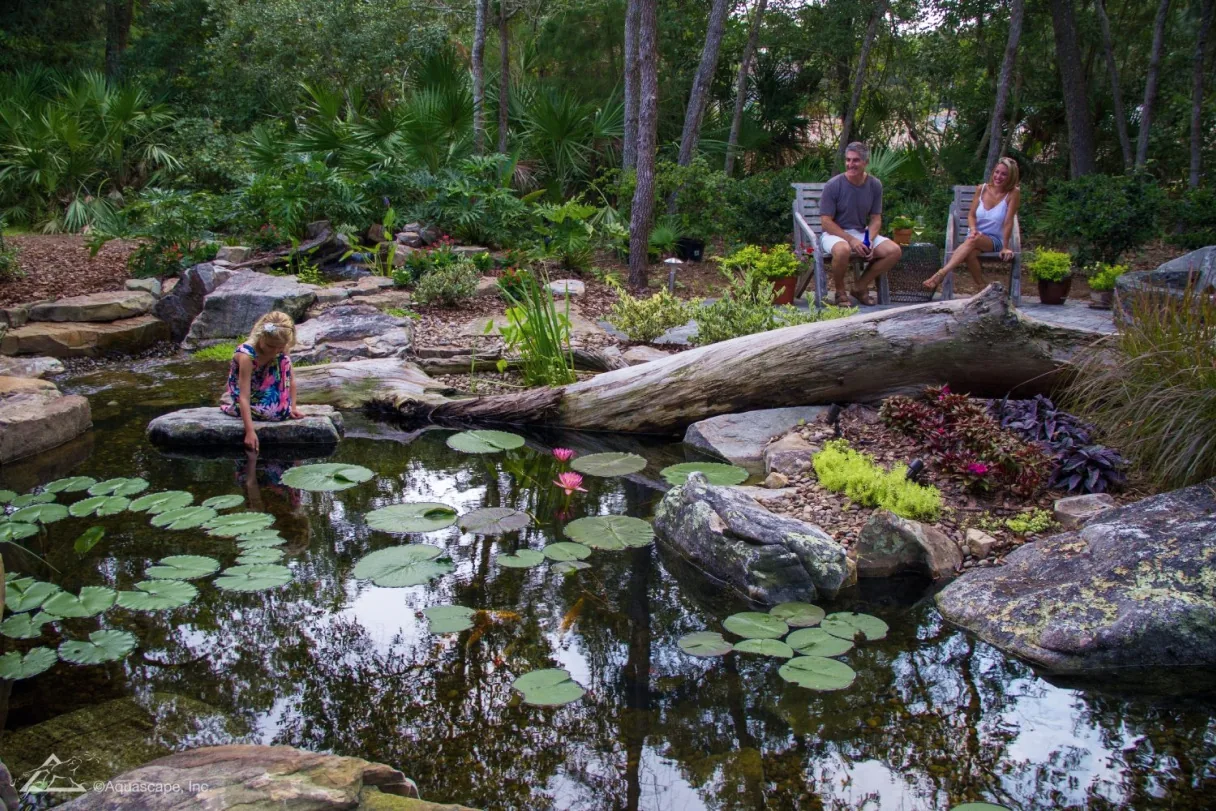
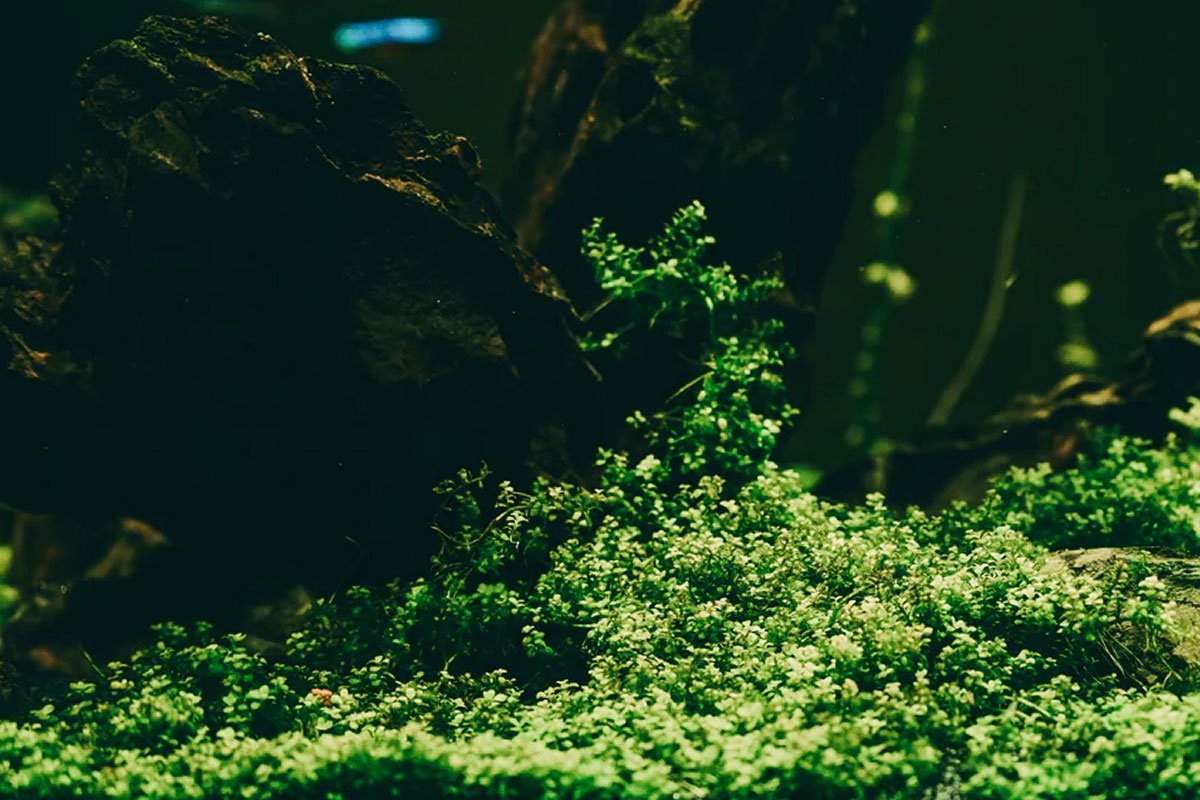
Using multiple types of aquatic plants is one of the most effective ways to combat algae. Native plants thrive in the local environment and help create a balanced ecosystem. Plants like water lilies, water hyacinths, and submerged plants provide shade and absorb excess nutrients, limiting algae growth.
Expert tips: Aquascape's product design team recommends a plant-to-water ratio of about 50% to effectively control algae while also beautifying the aquatic environment.
Use beneficial bacteria
Beneficial bacteria can help break down organic material and reduce the nutrients that algae feed on. These natural bacteria products are designed to restore balance and clarity to the aquatic environment.
Customer example: One of Faunapoolen's customers had recurring problems with algae in their koi pond. After consulting with a certified Aquascape contractor, they began using beneficial bacteria regularly, resulting in clearer water and healthier fish. The pond developed into a vibrant ecosystem with natural balance.
Regular maintenance routines
A simple maintenance routine can prevent algae before problems grow. By regularly removing debris, checking water levels, and monitoring water quality, you can keep your aquatic environment healthy and balanced.
Maintenance checklist:
- Clean filters and pumps monthly.
- Remove leaves and debris that accumulate in and around the feature.
- Test water quality regularly for pH, ammonia, and nutrient levels.
Shade and reduce sunlight
Strategically placed plants, paving, or other fixed elements can create shade that reduces the risk of heavy algae growth. If your aquatic environment receives too much direct sunlight, a pergola or nearby trees can filter the sun's rays.
Choose the right filtration system
A high-quality filtration system is essential for clean and clear water. Advanced systems for aquatic environments can effectively remove excess nutrients and particles, reducing the risk of algal blooms.
Collaborate with certified Aquascape contractors
While these methods can make a significant difference in your aquatic environment, it may sometimes be best to seek help from certified professionals. Certified Aquascape contractors have the knowledge and experience needed to design, install, and maintain aquatic environments with care.
Why seek help from certified professionals?
- Expertise in balanced aquatic ecosystems.
- Access to high-quality Aquascape products specifically designed for effective algae control.
- Ongoing maintenance that keeps the aquatic environment in good condition year-round.
Summary: enjoy a healthy aquatic environment
With the right algae control and maintenance, you can enjoy a beautiful aquatic environment without worrying about heavy algal blooms. Faunapoolen helps you create and maintain a harmonious outdoor environment that reflects nature's tranquility.
Ready to take care of your aquatic environment?
If you have problems with your aquatic environment or want to install a new one, book a design consultation with Faunapoolen. We will guide you through the process and ensure that the aquatic environment remains a beautiful and healthy part of your property for many years to come.
Related posts
Why choose an ecological pool without chlorine?
5 common problems with natural pools and chlorine-free pools
Difference between a natural pool and a regular pool – which one should you choose?
Convert chlorine pool to natural pool or swimming pond
Building a natural pool - here's how to do it yourself