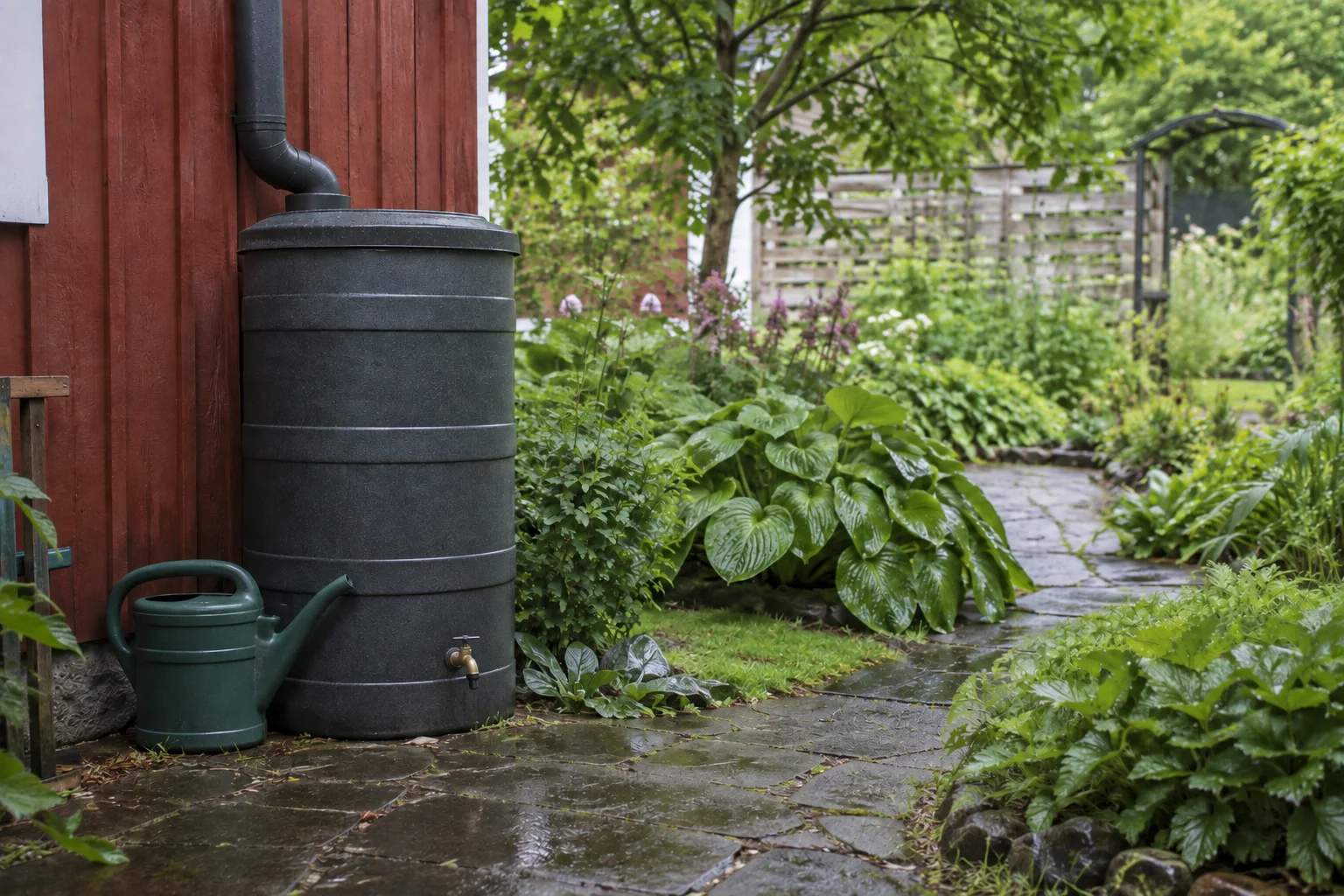
Rainwater storage can supplement water for the garden. Its usefulness depends on what you collect, what you need and how much you can store between periods of rain.
Updated
Collecting rainwater can supplement garden watering when a well is not available. It does not create a continuous supply: the result depends on rainfall, the collecting surface, storage and demand. Begin with the intended use, then calculate whether the water available is useful for that purpose.
What will the collected water be used for?
Watering planting, replenishing a decorative feature and supplying a swimming system are different uses. Record them separately, including when each needs water. The quality requirements and equipment must match the use. Water collected from a roof should not be assumed to be drinking water or ready for bathing.
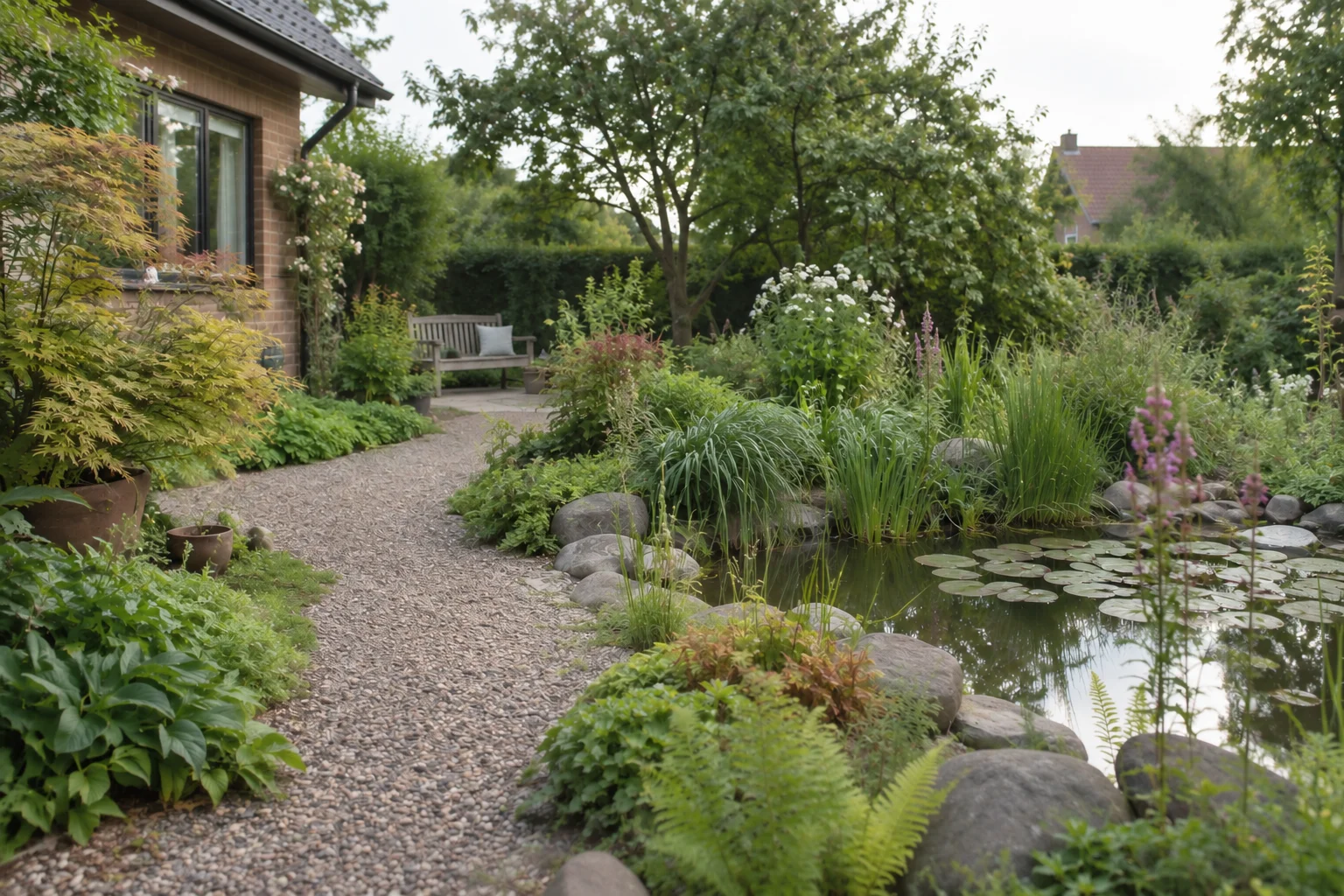
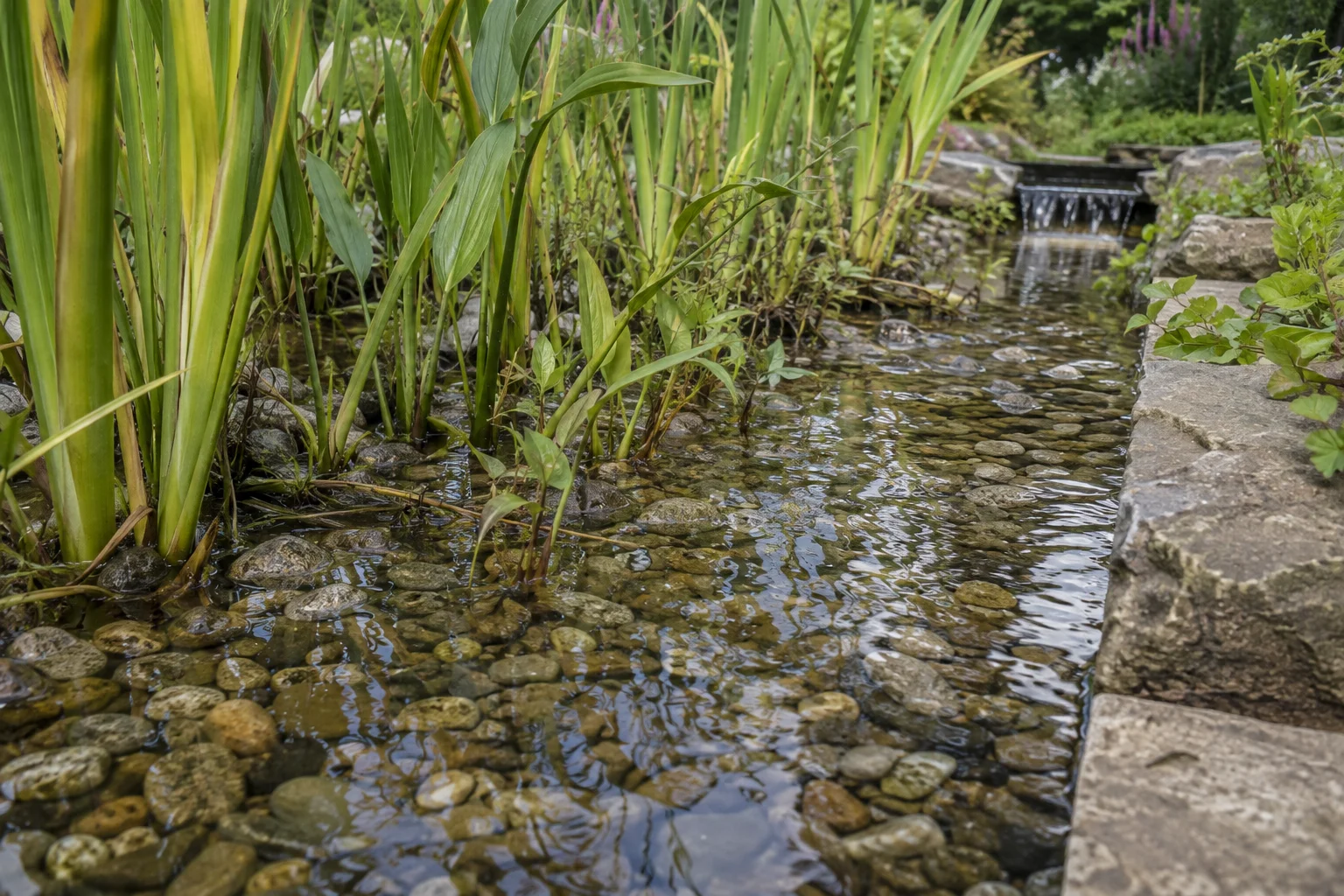
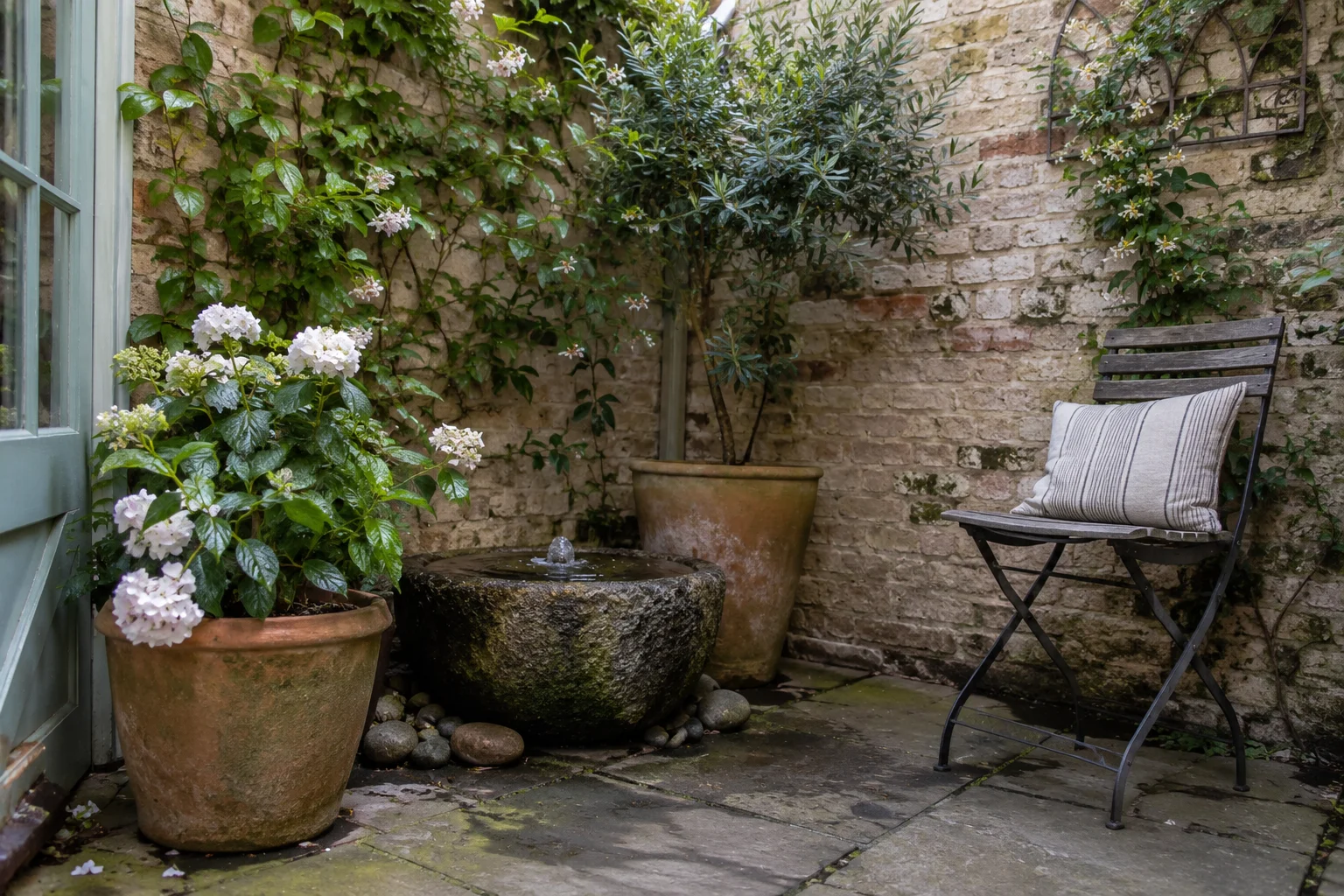
For a pond or other feature, start with the kind of garden water landscape you are planning. Its water needs belong in the same discussion as the collection system.
How much can the roof and storage provide?
One millimetre of rain over one square metre corresponds to one litre before losses. For example, 10 millimetres on a 100-square-metre roof gives a theoretical 1,000 litres. This is an illustrative calculation, not a prediction of the amount reaching a tank: collection losses, filtering, overflow and existing tank contents affect what can be stored.
Compare local rainfall patterns with the periods when you need water. Annual rainfall alone does not show whether a tank will contain enough during a dry spell. Estimate demand over that period and examine both a small and a larger storage option before choosing a size.
Plan cleaning, filtration and access
Draw the route from the roof through collection and filtering to storage and intended use. Consider how leaves and sediment are removed, how equipment is reached and where overflow goes. Cleaning should remain possible after paving and planting are in place.
Aquascape™ describes modular storage in its rainwater collection products, including AquaBlox used within a lined reservoir. The modules provide storage structure; the full installation still needs a design for its site and use. This product example does not establish what is included in a Faunapoolen quotation.
Assess suitability before using it in a nature pool
Discuss the proposed water source with the person responsible for the pool's design and water-quality plan. What reaches the roof and storage can affect the water collected. A general biological cleaning system does not by itself establish that every source is suitable for swimming.
Allow for drought and check current local conditions
When no rain arrives, a store can run out. Plan which uses take priority and what happens when the level is low. Before agreeing the installation or a filling plan, check current requirements with the relevant water provider and municipality. Any connection to another water supply needs appropriate professional assessment.
Plan storage together with the garden
Location affects excavation, access, the route to planting and future servicing. The garden-planning guide helps you consider those relationships before the visible surfaces are finished.
Have a roof sketch, photographs, intended uses and an estimate of demand ready. Describe your garden and water-storage question in the enquiry notes, so we can discuss the scope and whether we can help with your project.
Continue reading
Plan a nature pool and water features as part of your garden
Bring paths, seating, planting and water together so the garden works for swimming and everyday life.
How water is cleaned in a nature pool
Follow water from debris collection through the biological filter and back to the swimming area.
A fountain, small pond or waterfall for a small garden?
Choose between a fountain, pondless waterfall and planted pond, with room to enjoy it and look after it.
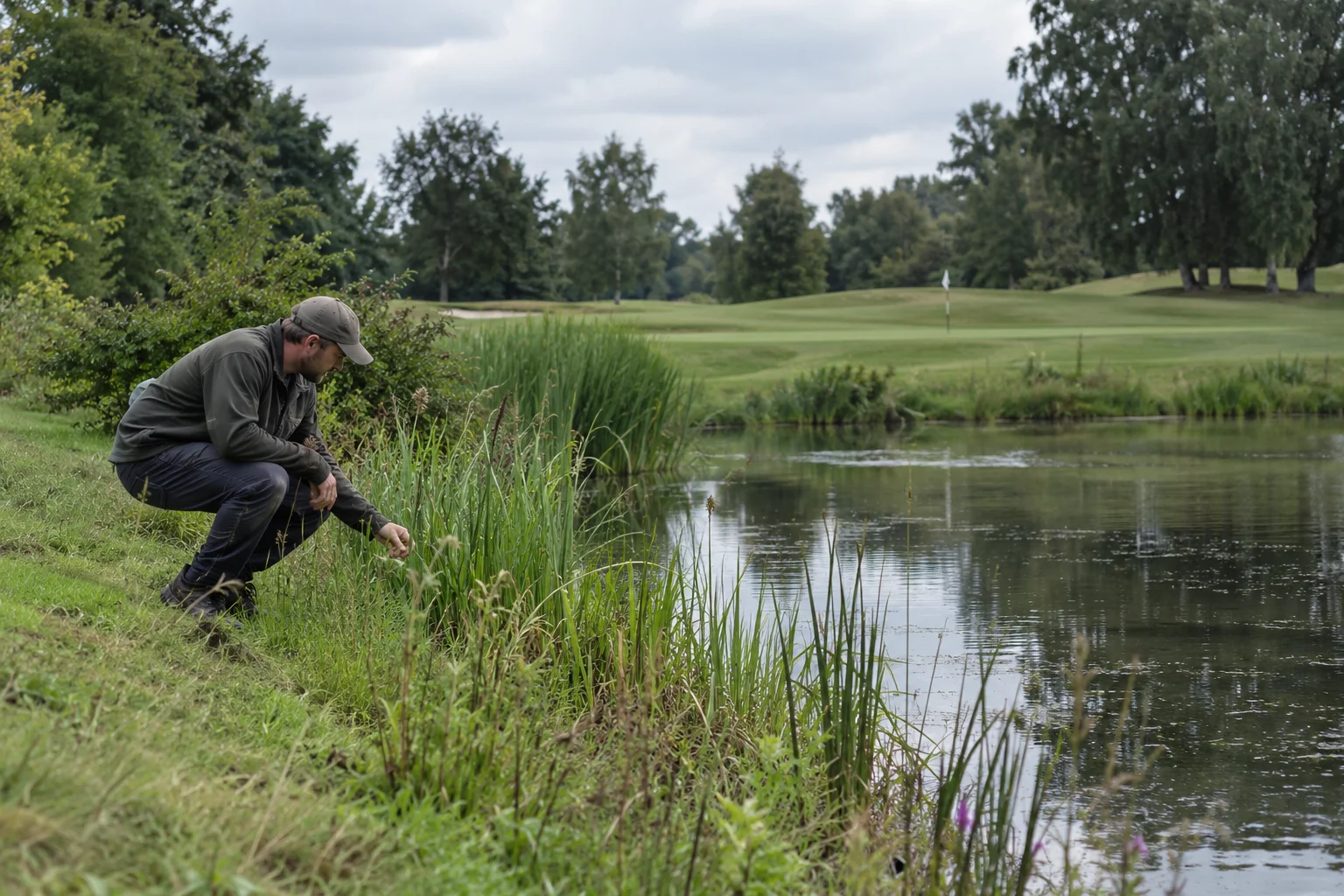
Plan the care of golf-course ponds and streams
Map each pond’s role, water flow and maintenance needs before deciding what work the course requires.
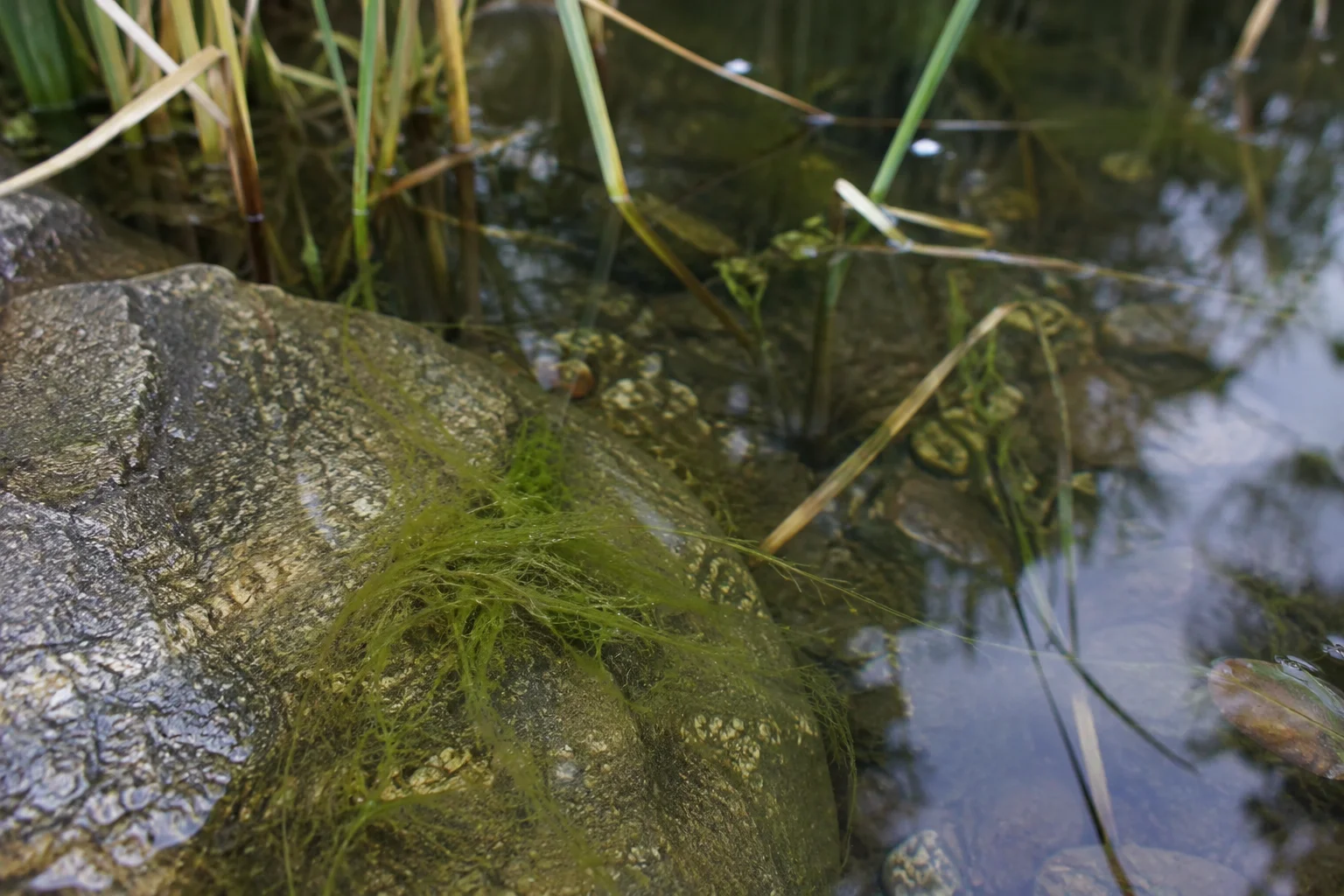
Algae in a nature pool or pond: what should you check?
Learn what green water and string algae can tell you, what to check first and when to ask for help.
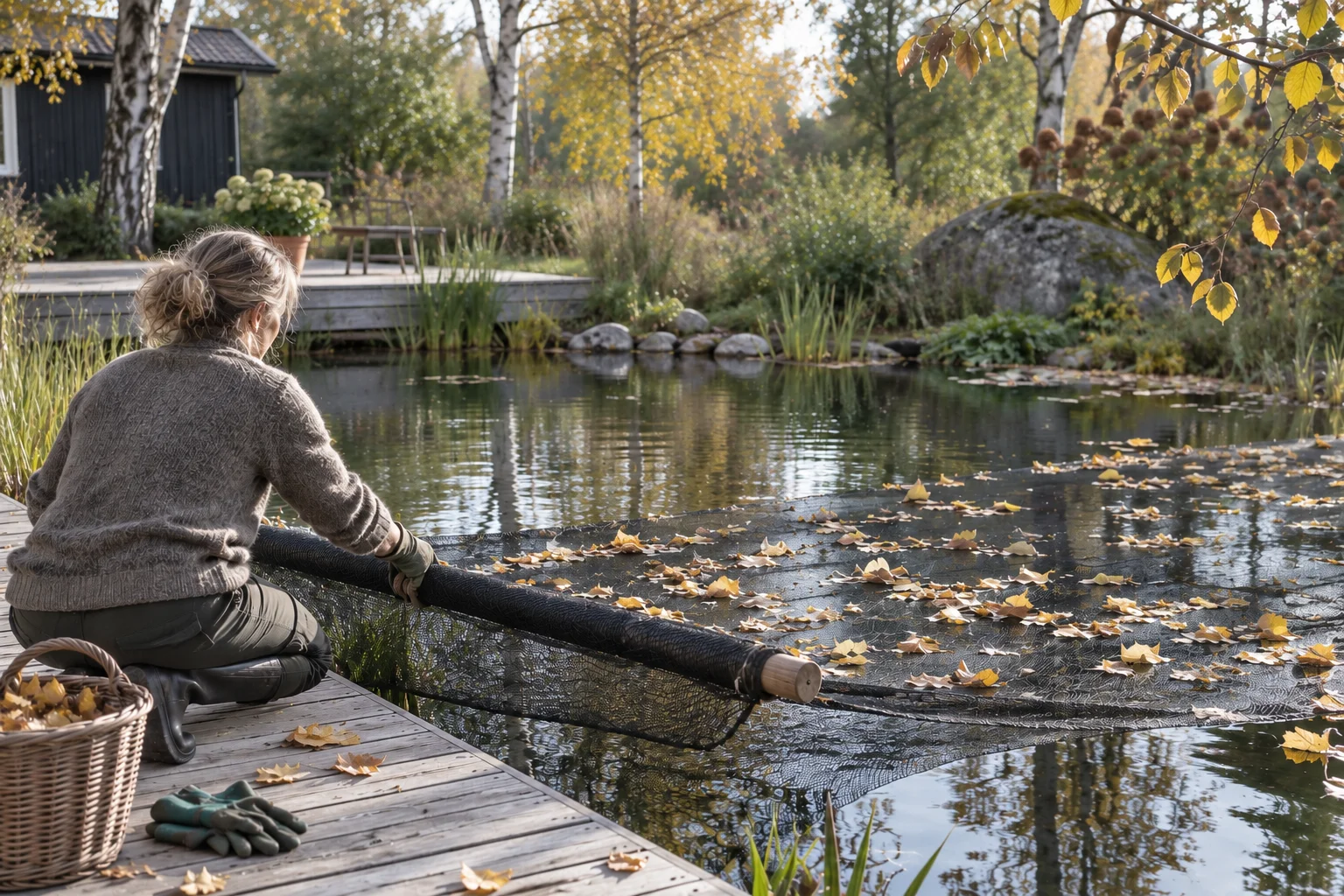
Natural pool care through the four seasons
Work through spring startup, summer checks, autumn leaves and winter preparation with the plan for your installation.
Find out what suits your garden.
Let’s talk about your garden. Your first phone consultation is free.